Where to read or listen
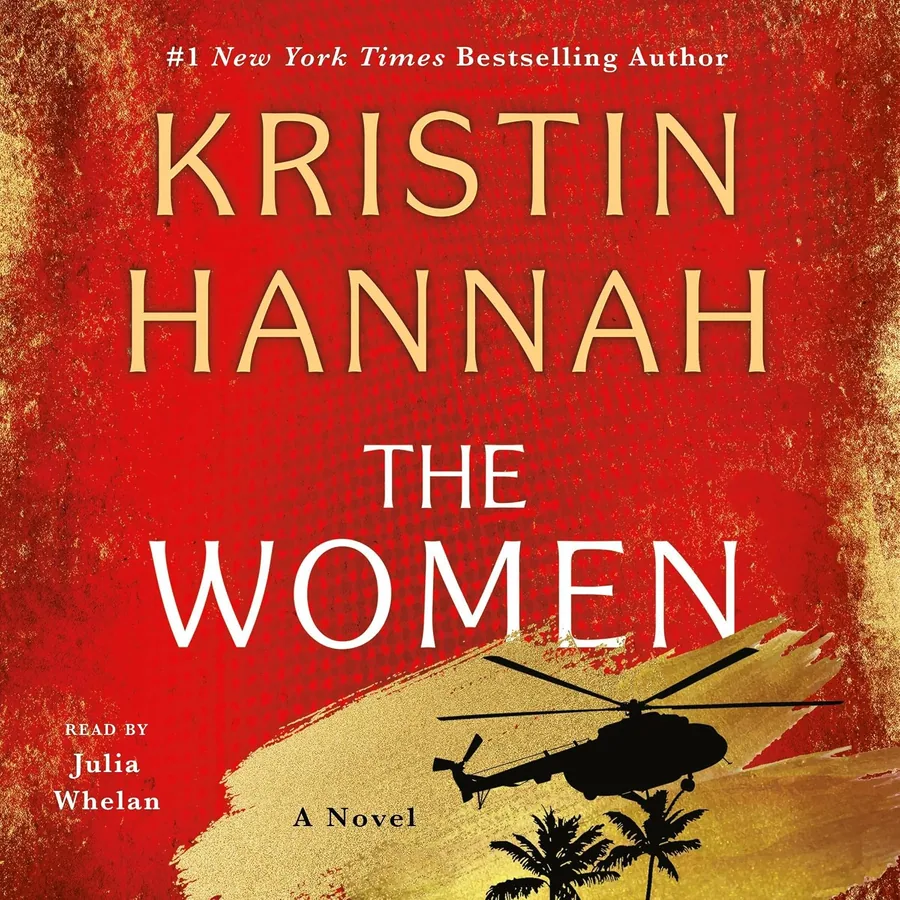
- Is there an audiobook of The Women?
- Yes. The Women has an Audible audiobook edition, narrated by Kristin Hannah and Julia Whelan.Listen free with Audible
We earn from qualifying Amazon purchases.
- How long is the The Women audiobook?
- The The Women audiobook runs 14 hr 57 min.
More by Kristin HannahSee every Kristin Hannah book we've reviewed, with our scores.All Kristin Hannah books →
Common questions
- What is The Women about?
- The Women goes straight for the heart, and it gets there. Kristin Hannah has written a big, open-handed novel that makes no attempt to be cool about its feelings, and the tears it draws come from the story, not from any trick. Frankie McGrath is twenty, a nursing student in Southern California who…
- Is The Women worth reading?
- We scored The Women 4.8 out of 5. Kristin Hannah's The Women is a Vietnam War novel about Frankie McGrath, a sheltered California nursing student who joins the Army Nurse Corps in 1965 and then has to come home to a country that wants to forget the war. Historical fiction with real emotional force.
More like this
Related books

Homegoing
Yaa Gyasi

All the Light We Cannot See
Anthony Doerr

The Calamity Club
Kathryn Stockett

The Help
Kathryn Stockett

A Thousand Splendid Suns
Khaled Hosseini

The Pillars of the Earth
Ken Follett

Etna
Paul Yoon

The Castle in the Glen: A Novel
Rhys Bowen

Atmosphere: A Love Story
Taylor Jenkins Reid

The Hero Next Door: Stories of Patriotism and Purpose
Martha Raddatz