Where to read or listen
- Is there an audiobook of The Calamity Club?
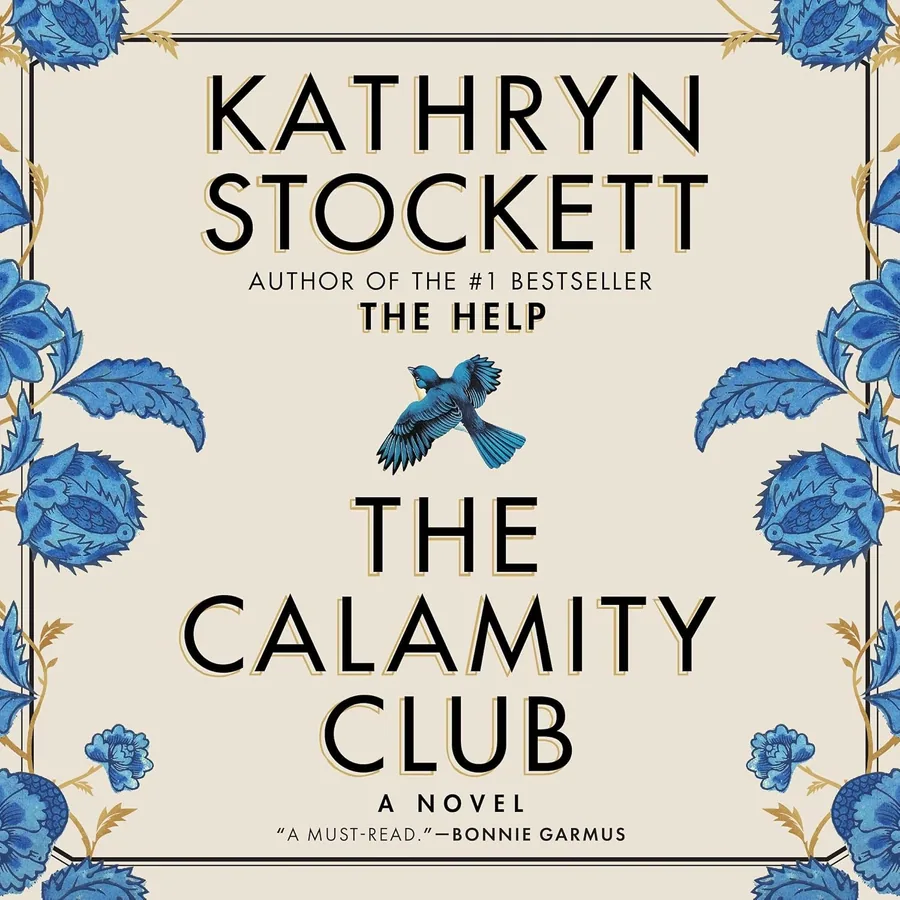
- Yes. The Calamity Club has an Audible audiobook edition, narrated by Jenna Lamia and January LaVoy.Listen free with Audible
We earn from qualifying Amazon purchases.
- How long is the The Calamity Club audiobook?
- The The Calamity Club audiobook runs 28 hr 44 min.
- Is The Calamity Club on Kindle Unlimited?
- No. The Calamity Club was not included with Kindle Unlimited when we last checked on September 27, 2026.
- What formats is The Calamity Club available in?
- On Amazon, The Calamity Club comes as a Kindle ebook and a hardcover.
More by Kathryn StockettSee every Kathryn Stockett book we've reviewed, with our scores.All Kathryn Stockett books →
Common questions
- What is The Calamity Club about?
- Meg Lefleur learned early to stop watching the window. She's eleven, one of the older girls at the Lafayette County Orphan Asylum, the ones nobody chooses, and Stockett introduces her mid-way through a small daily act of self-protection: refusing to hope. It's 1933 in Oxford, Mississippi, the…
- Is The Calamity Club worth reading?
- We scored The Calamity Club 4.8 out of 5. The Calamity Club is Kathryn Stockett's first novel since The Help, a big-hearted Depression-era story set in 1933 Oxford, Mississippi, where an abandoned orphan, an outspoken newcomer, and a woman fresh out of luck collide and hatch an audacious plan to seize back some control…
Advertisement
More like this
Related books

The Help
Kathryn Stockett

Keeper of Lost Children
Sadeqa Johnson

The Nightingale
Kristin Hannah

The Survivors Guild
Gabriella Saab

A Thousand Splendid Suns
Khaled Hosseini

The Pillars of the Earth
Ken Follett

Big Little Truths
Liane Moriarty

The Castle in the Glen: A Novel
Rhys Bowen

Atmosphere: A Love Story
Taylor Jenkins Reid

Lessons in Chemistry
Bonnie Garmus