Where to read or listen
- Is there an audiobook of Exercised?
- Yes. Exercised has an Audible audiobook edition, narrated by Sean Runnette.Listen free with Audible
We earn from qualifying Amazon purchases.
- How long is the Exercised audiobook?
- The Exercised audiobook runs 13 hr 13 min.
- Is Exercised on Kindle+?
- No. Exercised was not included with Kindle+ when we last checked on November 23, 2026.
Common questions
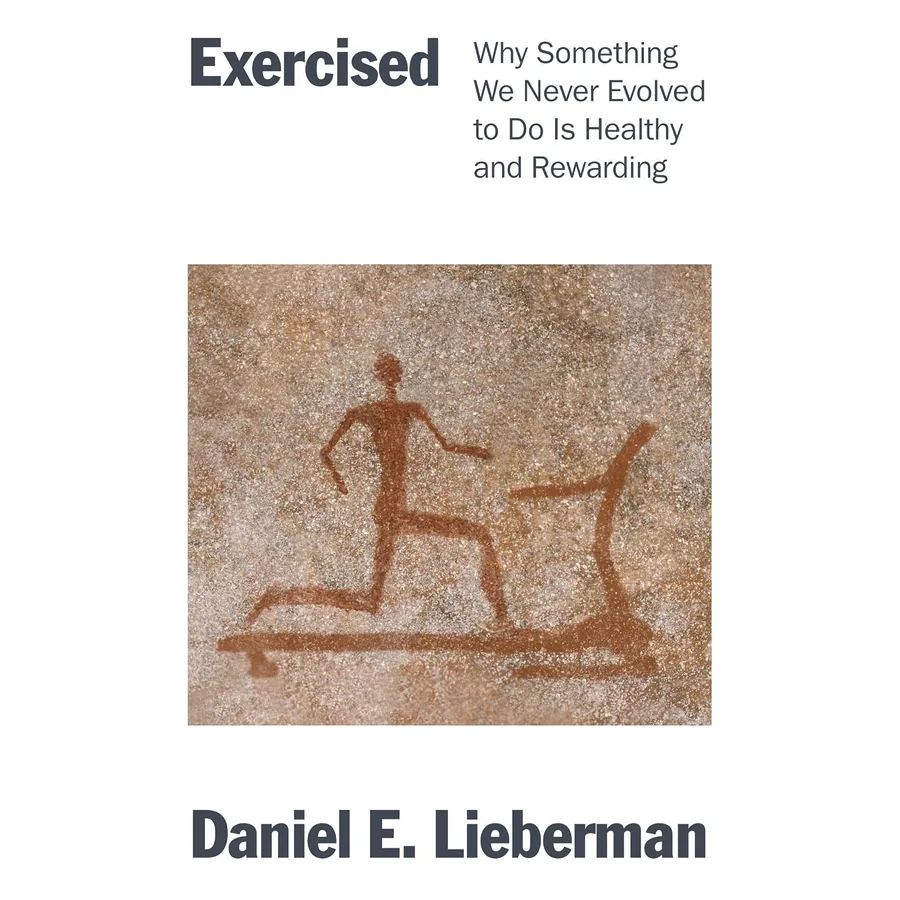
- What is Exercised: Why Something We Never Evolved to Do Is Healthy and Rewarding about?
- People were never built to exercise, and that's the best news in the book. Daniel Lieberman, a Harvard professor of human evolutionary biology, argues that our bodies evolved to walk, run, and dig because life demanded it, and to save energy the rest of the time. Exercise, meaning activity you…
- Is Exercised: Why Something We Never Evolved to Do Is Healthy and Rewarding worth reading?
- We scored Exercised: Why Something We Never Evolved to Do Is Healthy and Rewarding 4.8 out of 5. Exercised by Daniel E. Lieberman is an evolutionary take on exercise from a Harvard professor of human evolutionary biology. It explains why humans are built to move when we have to and rest when we can, and that makes this health and fitness book useful to anyone who has…
More like this
Related books

The Comfort Crisis: Embrace Discomfort to Reclaim Your Wild, Happy, Healthy Self
Michael Easter

Lifespan: Why We Age, and Why We Don't Have To
David Sinclair

Protocols: An Operating Manual for the Human Body
Andrew D. Huberman

Why We Sleep: Unlocking the Power of Sleep and Dreams
Matthew Walker PhD

Spark: The Revolutionary New Science of Exercise and the Brain
John J. Ratey MD

Breath: The New Science of a Lost Art
James Nestor

When Breath Becomes Air
Paul Kalanithi

Fiber Fueled: The Plant-Based Gut Health Program
Will Bulsiewicz MD

The China Study
T. Colin Campbell

The Immortal Life of Henrietta Lacks
Rebecca Skloot