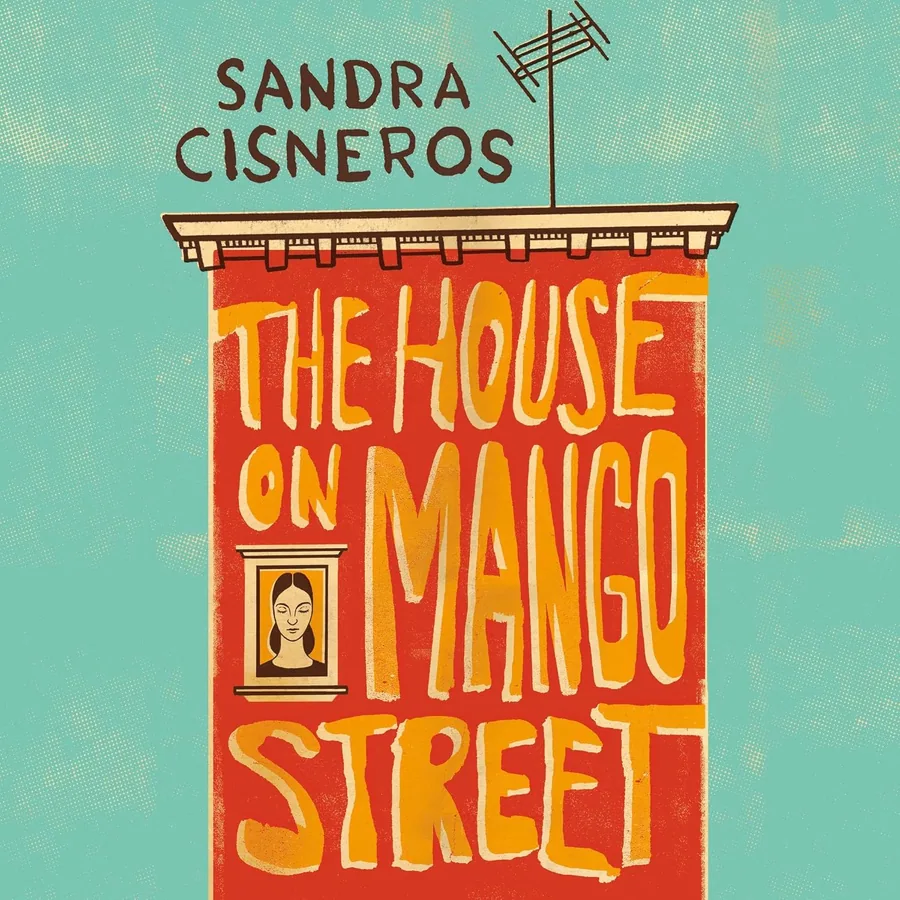
You can finish this in an afternoon, and the form is half the reason. Cisneros builds the book from vignettes, most of them only a few pages long, so each one lands like a snapshot of a single person or a single bad day on the street in Chicago where Esperanza Cordero lives. Nothing pulls you from chapter to chapter with a cliffhanger or a plot to solve; the pull is the voice, and the next small scene. Esperanza works herself out one small scene at a time, and by the end the scenes have piled up into a whole childhood.
She narrates in the first person, and the voice is direct, a little wry, and then suddenly close to poetry. Her mother's hair gets a long run of comparisons built from warmth, sleep and bread, and the sentence keeps going the way a child's does when she doesn't want the memory to end. She dislikes her own name. In Spanish it sounds to her like sadness and waiting, and she was named for a great-grandmother who spent her life at a window. Esperanza has no plans to inherit that seat. What she wants is a house of her own, one she could point to, and that wish runs underneath every page even when the page is about something else.
The street is crowded, and Cisneros gives each neighbor a few lines or a page and leaves it there. Mamacita stays shut indoors, afraid of English. Cathy keeps her cats. Nenny is Esperanza's younger sister, and Sally is the friend who matters more and more. Alicia, who studies at college, turns up late and tells Esperanza something she carries forward. These people teach Esperanza something each, and they teach it without a speech.
The book gets harder as she gets older, and the shift is gradual enough that you notice it only when you look back at the first pages. Neighbors are abused, and Esperanza sees it. A man at her first job grabs a birthday kiss and won't let go. A place called the Monkey Garden, where she could still be a kid, is spoiled by boys who humiliate Sally. Cisneros writes these scenes plainly and moves on, and the lack of commentary is exactly why they sting. She trusts you to feel what the narrator is too young to say.
Some readers find the whole thing slight. The complaint has a basis: the vignettes can be vague, and there's little plot or backstory to hold onto. One reader thinks the poverty is rendered too neatly, and wonders what was left out. I read the gaps as the method. The book is easy enough to hand to students still learning English, and the meaning sits a layer below, and it rewards a second pass, especially for readers whose own families straddle two cultures. If you read only for the surface, it can seem light. Read between the lines and it doesn't.
Why you should read
- Coming-of-age stories with a strong first-person voice
- Short, vignette-driven reads for a single sitting
- Classroom and book club discussion picks
- Stories of growing up between two cultures
What to expect
- Very brief vignettes, each a few pages
- Spare, poetic language with a direct narrator
- Some scenes of harassment and abuse, told plainly
- An open ending
It ends open. Esperanza doesn't announce where she lands, and after 132 pages of deciding who she'll be, a tidy answer would be a lie. The question of where she'll go stays with you.