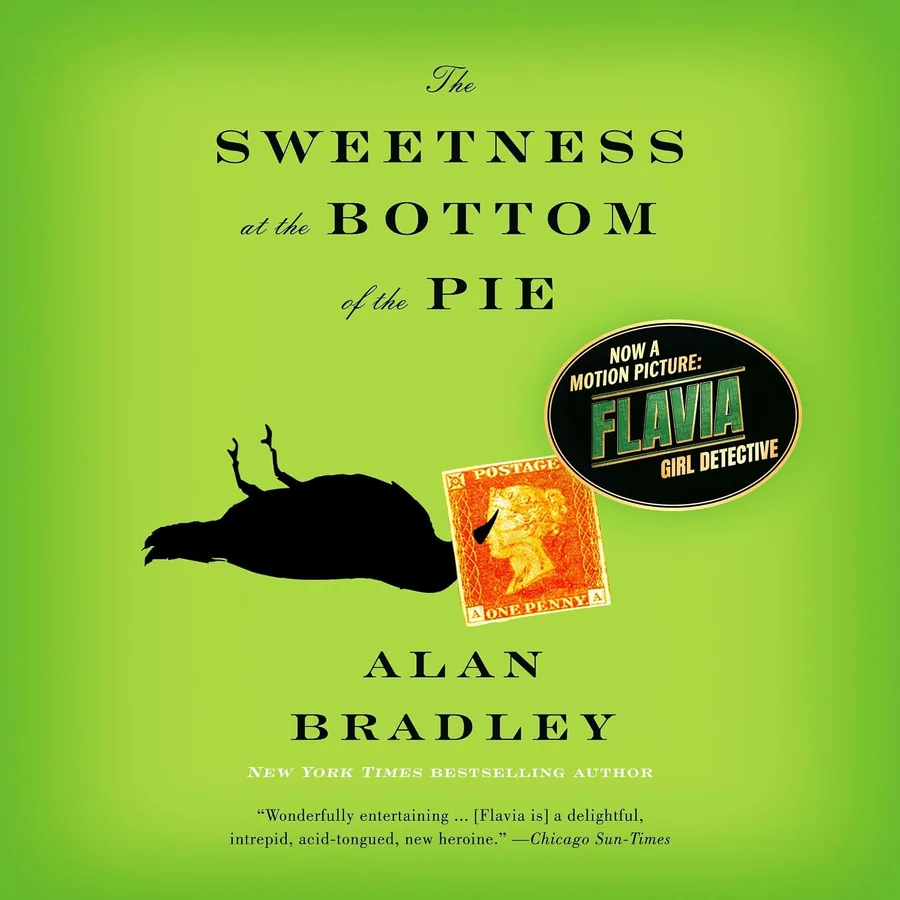
Where to read or listen
- Is there an audiobook of The Sweetness at the Bottom of the Pie?
- Yes. The Sweetness at the Bottom of the Pie has an Audible audiobook edition, narrated by Jayne Entwistle.Listen free with Audible
We earn from qualifying Amazon purchases.
- How long is the The Sweetness at the Bottom of the Pie audiobook?
- The The Sweetness at the Bottom of the Pie audiobook runs 9 hr 53 min.
- Is The Sweetness at the Bottom of the Pie on Kindle+?
- No. The Sweetness at the Bottom of the Pie was not included with Kindle+ when we last checked on November 23, 2026.
Common questions
- What is The Sweetness at the Bottom of the Pie about?
- The book starts slow and a little strange, and then Flavia takes over. Page to page, The Sweetness at the Bottom of the Pie feels like sitting in a drafty English manor with a very clever child who has opinions about everyone in it. Alan Bradley's cozy mystery sets that child loose in the summer…
- Is The Sweetness at the Bottom of the Pie worth reading?
- We scored The Sweetness at the Bottom of the Pie 4.3 out of 5. The Sweetness at the Bottom of the Pie by Alan Bradley is a cozy mystery set in 1950 England, narrated by eleven-year-old chemist Flavia de Luce. A man dying among the cucumbers, a family estate falling apart, and a girl who finds the whole thing thrilling.
More like this
Related books

The Murder at the Vicarage
Agatha Christie

Snowbound Whispers
Debra Deetz

Best Laid Plans
Gwen Florio

And Then There Were None
Agatha Christie

The Big Sleep
Raymond Chandler

The Daughter of Time (Inspector Alan Grant Book 5)
Josephine Tey

Plum Island
Nelson DeMille

The Thursday Murder Club
Richard Osman

Finlay Donovan Is Killing It
Elle Cosimano

Vera Wong's Unsolicited Advice for Murderers
Jesse Q. Sutanto