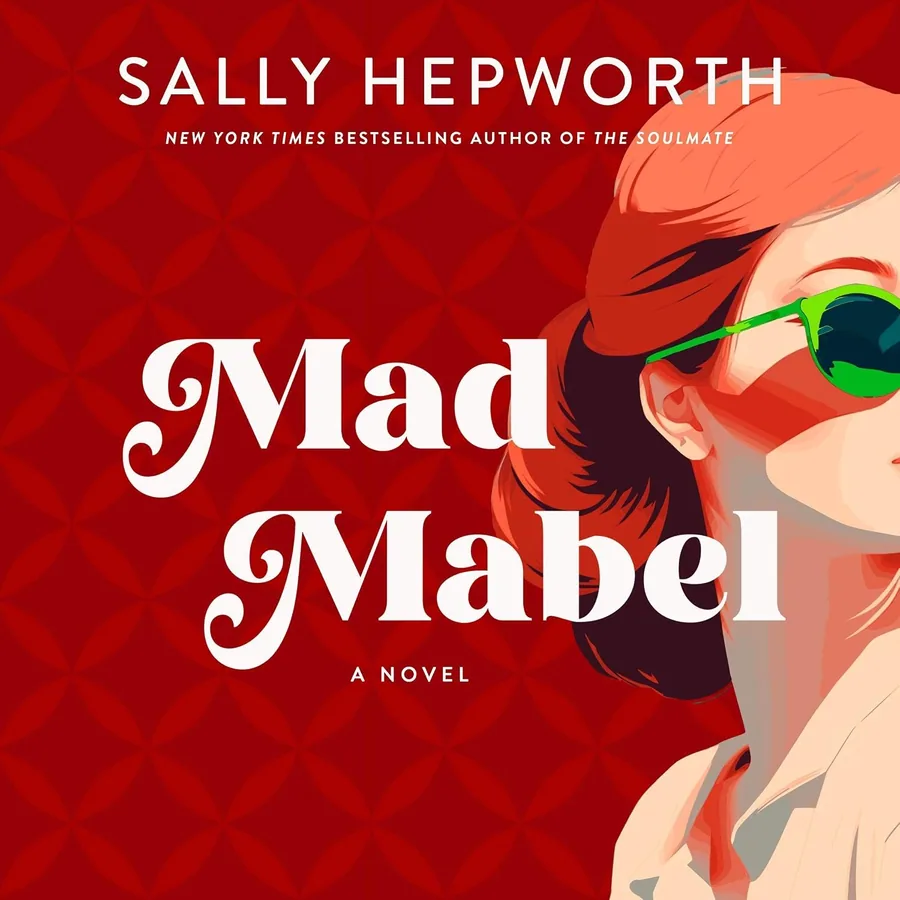
Mad Mabel is funny first and unsettling second, and the order matters. The jokes arrive in Mabel's own voice, dry and quick and aimed at whoever is closest, so the dread underneath takes a while to register. By then it has already settled in.
Elsie Mabel Fitzpatrick is 81 and lives in a Melbourne suburb where she has made herself the resident grump. She has a tea habit, a lifelong friend named Daphne who visits daily, and a standing irritation with the neighbors. Then the man next door is found dead, and Elsie is the one who finds him. Suspicion would be bad enough. Worse, the attention digs up who she used to be: Mad Mabel Waller, convicted of murder at 15, the youngest in the country's history. She has spent decades being someone else. Now the police, the curious, and the people who smell a story are all on her street.
Hepworth builds the book on two clocks. NOW follows the fallout on the street. THEN goes back to Mabel's childhood, and the way the two meet is the book's best piece of engineering. Two young true-crime podcasters sit down with Mabel and let her talk, which hands the past a natural way in and keeps the interviews from feeling like a device. Readers who usually dread dual timelines report no whiplash here. The seams hold. Each flashback sheds light on the present and each present-day scene leans on the past.
The suspicion game is where the book does its real work. A neighbor is dead, an old killer lives next door, and the story knows exactly what you are thinking. Then it keeps moving the furniture. Readers talk about guessing a piece of it, feeling clever, and then discovering the guess was only half of it. Someone in the cast reads as slightly off, and the reveal about that person lands as a fair surprise. The setup gets honored. Nothing in the premise gets abandoned on the way to the finish, and the ending has the weight to match the build, a sad one with some redemption folded in.
What holds it together is Mabel. She could have been a quirky old woman for laughs. Instead she comes through as sharp, lonely, wary, and complicated, a woman who has been judged for most of her life and has learned to strike first. The THEN chapters are the hardest part of the book. A child neglected, unwanted, and blamed for things: that is rough going, and alongside the murder the book takes in child abuse, bullying, and mental illness. Readers flag it plainly, and it deserves the flag. Hepworth never lets the humor curdle into a way of avoiding it, though, and the humor never fully goes away, which is the trick of the whole book.
The neighborhood gets real attention too. Across the road lives seven-year-old Persephone, a chatterbox with stickers, questions, and zero sense of personal space, and she is the relationship that softens everything around it. Joan is the one who seems to have it in for Elsie. The street feels lived in, with its gossip and habits and small tensions, and a reader can believe in these people before the secrets start. Small touches of fashion and interiors tell you who people are, and the nods to other books add warmth.
It is a darker, more emotional story than the premise suggests, and it hits harder than the jokes prepare you for. The central question stays alive from start to finish: was Mabel really mad, or only misread? The book gives its answer slowly and makes you wait for each piece of it, and the final stretch is the sort that sends people to tissues.
Why you should read
- Mysteries with a prickly, sharp-tongued older heroine
- Neighborhood stories where everyone has a secret
- Dual-timeline novels that keep both threads alive
- Dark subject matter handled with dry humor
What to expect
- Dry, sarcastic narration with real laugh-out-loud moments
- THEN and NOW chapters, with the past told to two podcasters
- Heavy childhood material, including abuse and bullying
- Twists that surprise even when you spot a piece of them
- A sad ending with redemption in it
Sally Hepworth has written a book about what a long life of being underestimated does to a person, and what happens when that person finally gets to speak. Mabel finally tells her side, and the book makes sure you are ready to hear it.