Maritime Books
Explore our curated collection of maritime books—top picks, hidden gems, and recent favorites.
Filters

Twist: A Novel
by Colum McCann
Colum McCann's "Twist" is a profound meditation on human connection in our increasingly digital world, exploring the fragile threads that bind us across vast geographical and technological landscapes. Through the journey of Anthony Fennell, an Irish journalist investigating underwater communication cables, McCann crafts an intricate narrative that delves into themes of rupture and repair.
The novel's strength lies in its lyrical prose and McCann's ability to weave complex human emotions into a narrative that feels both intimate and expansive. He masterfully uses the metaphor of underwater cables—carrying the world's information through tiny fiber-optic tubes—as a powerful backdrop to explore deeper questions about human communication, resilience, and the ways we attempt to reconnect in a fractured world.
At its core, "Twist" is a contemplative exploration of grace amid challenges. The characters, particularly Fennell and John Conway, navigate personal and professional uncertainties with a nuanced vulnerability that reveals McCann's extraordinary storytelling prowess. The book invites readers to reflect on how we rebuild and reweave ourselves after experiencing profound disconnection, whether technological or emotional.
McCann's novel will resonate deeply with readers who appreciate literary fiction that blends philosophical inquiry with compelling human drama. Those intrigued by the intersection of technology, human relationships, and the subtle mechanics of hope will find this book particularly captivating. It's a quietly powerful work that suggests healing is possible, even when our connections seem irreparably broken.
Twist: A Novel
by Colum McCann
Colum McCann's "Twist" is a profound meditation on human connection in our increasingly digital world, exploring the fragile threads that bind us across vast geographical and technological landscapes. Through the journey of Anthony Fennell, an Irish journalist investigating underwater communication cables, McCann crafts an intricate narrative that delves into themes of rupture and repair.
The novel's strength lies in its lyrical prose and McCann's ability to weave complex human emotions into a narrative that feels both intimate and expansive. He masterfully uses the metaphor of underwater cables—carrying the world's information through tiny fiber-optic tubes—as a powerful backdrop to explore deeper questions about human communication, resilience, and the ways we attempt to reconnect in a fractured world.
At its core, "Twist" is a contemplative exploration of grace amid challenges. The characters, particularly Fennell and John Conway, navigate personal and professional uncertainties with a nuanced vulnerability that reveals McCann's extraordinary storytelling prowess. The book invites readers to reflect on how we rebuild and reweave ourselves after experiencing profound disconnection, whether technological or emotional.
McCann's novel will resonate deeply with readers who appreciate literary fiction that blends philosophical inquiry with compelling human drama. Those intrigued by the intersection of technology, human relationships, and the subtle mechanics of hope will find this book particularly captivating. It's a quietly powerful work that suggests healing is possible, even when our connections seem irreparably broken.
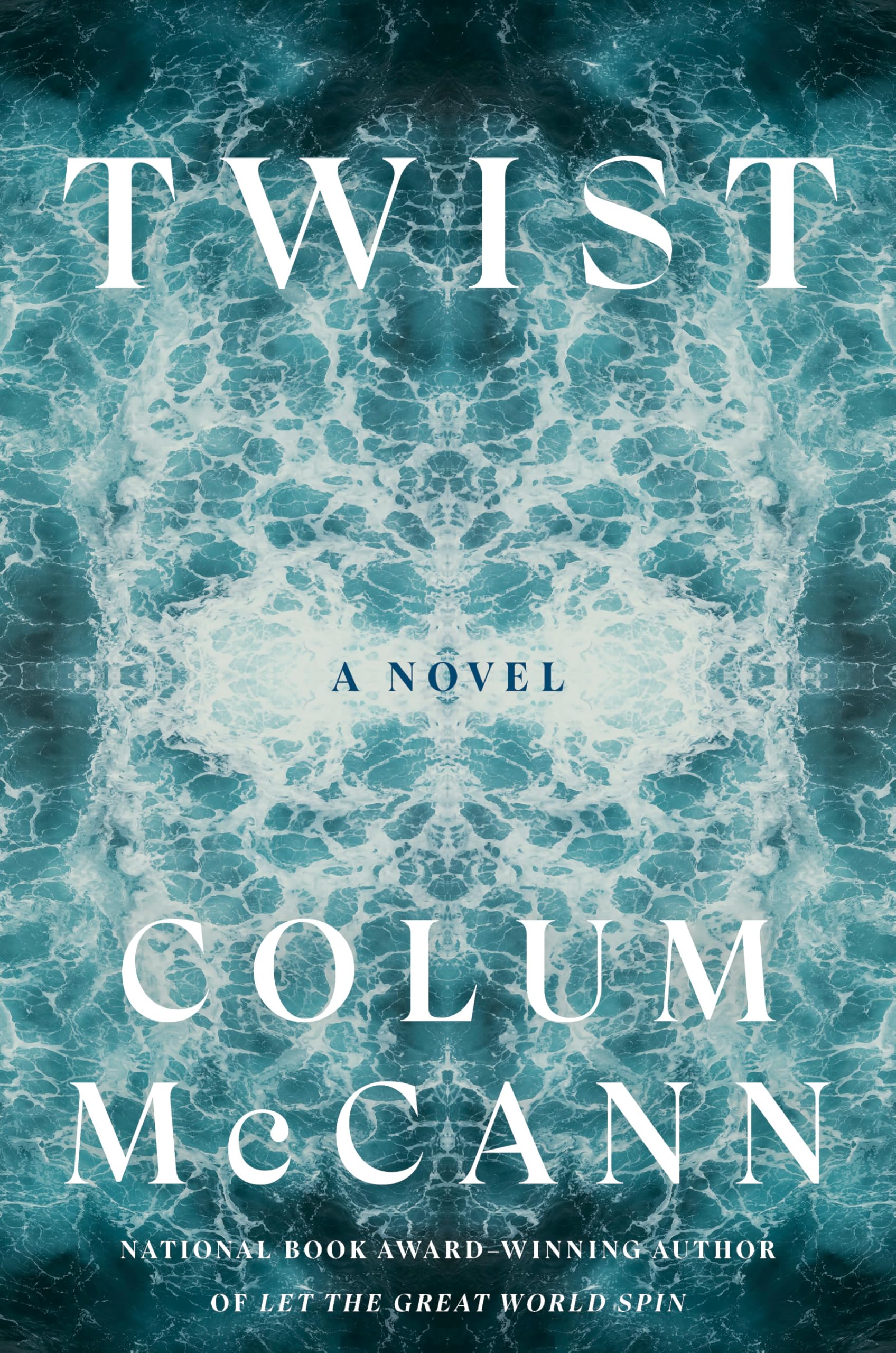
Twist: A Novel
by Colum McCann
Colum McCann's "Twist" is a profound exploration of interconnectedness in our digital age, weaving a complex narrative that transcends traditional storytelling. Through the journey of Anthony Fennell, an Irish journalist investigating underwater communication cables, McCann crafts a meditation on human connection, technological infrastructure, and the fragile threads that bind our global experience.
The novel's strength lies in its lyrical prose and intricate structural design. McCann navigates between technical detail and emotional depth, examining how information flows—and sometimes fractures—through microscopic fiber-optic cables. His prose echoes the rhythmic movements of ocean currents, creating a subtle metaphorical landscape where personal and technological vulnerabilities intersect.
Themes of displacement, technological dependency, and human resilience emerge powerfully through characters like John Conway and Zanele. McCann skillfully interrogates how personal narratives are transmitted, interrupted, and reconstructed, much like the undersea cables that form the book's central metaphor. The narrative suggests that human connections, like communication networks, can be simultaneously robust and precarious.
Readers who appreciate literary fiction with intellectual complexity will find "Twist" compelling. Those interested in global interconnectedness, technological infrastructure, and nuanced character studies will be particularly drawn to McCann's sophisticated exploration of how we remain connected in an increasingly fragmented world. The book offers a contemplative, richly textured reading experience that rewards careful attention.
Twist: A Novel
by Colum McCann
Colum McCann's "Twist" is a profound exploration of interconnectedness in our digital age, weaving a complex narrative that transcends traditional storytelling. Through the journey of Anthony Fennell, an Irish journalist investigating underwater communication cables, McCann crafts a meditation on human connection, technological infrastructure, and the fragile threads that bind our global experience.
The novel's strength lies in its lyrical prose and intricate structural design. McCann navigates between technical detail and emotional depth, examining how information flows—and sometimes fractures—through microscopic fiber-optic cables. His prose echoes the rhythmic movements of ocean currents, creating a subtle metaphorical landscape where personal and technological vulnerabilities intersect.
Themes of displacement, technological dependency, and human resilience emerge powerfully through characters like John Conway and Zanele. McCann skillfully interrogates how personal narratives are transmitted, interrupted, and reconstructed, much like the undersea cables that form the book's central metaphor. The narrative suggests that human connections, like communication networks, can be simultaneously robust and precarious.
Readers who appreciate literary fiction with intellectual complexity will find "Twist" compelling. Those interested in global interconnectedness, technological infrastructure, and nuanced character studies will be particularly drawn to McCann's sophisticated exploration of how we remain connected in an increasingly fragmented world. The book offers a contemplative, richly textured reading experience that rewards careful attention.
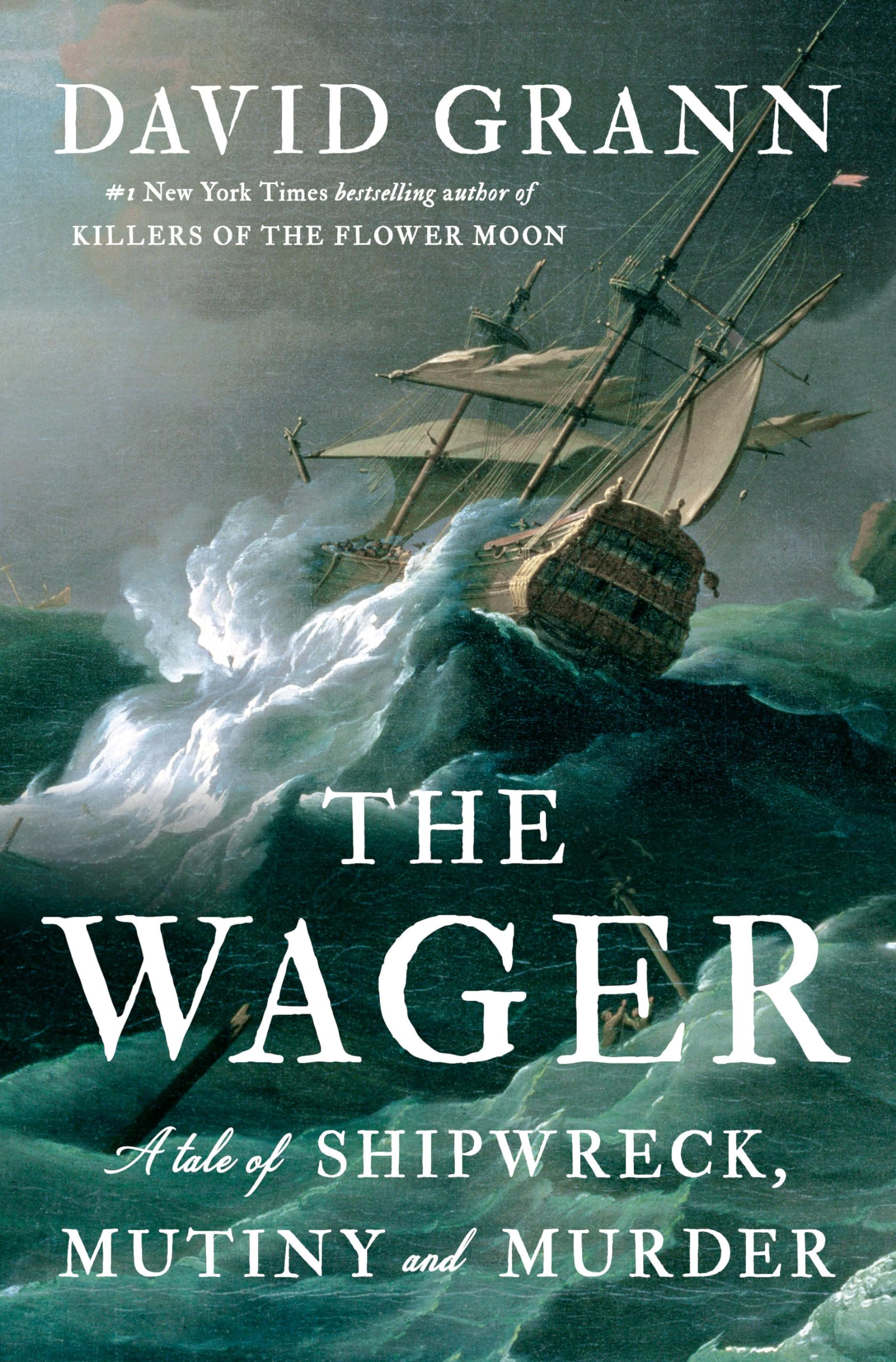
The Wager: A Tale of Shipwreck, Mutiny and Murder
by David Grann
An outstanding narrative nonfiction work, "The Wager" by David Grann vividly depicts a remarkable story of mutiny, survival, and the intricacies of human nature under the most trying of circumstances. Readers are whisked away to the 18th century, on board the tragic HMS Wager, as Grann's research and captivating storytelling immerse them in Britain's imperial battle with Spain.
It is remarkable how the author skillfully incorporates many viewpoints from court martial records, historical narratives, and logbooks. Using vivid detail, Grann recreates the terrifying voyage of the Wager's crew, from the perilous trip around Cape Horn to their fight for survival on a lonely island off the coast of Patagonia. The resultant story is historically grounded and as riveting as any fiction thriller.
Captain David Cheap, Gunner's Mate John Bulkeley, and the other characters in this sea drama are vividly brought to life by Grann's exceptional character development. Insight into the mental toll of their situation is provided by the nuanced and detailed portrayal of the crew's internal tensions and power struggles.
Examining larger ideas like empire, power, and justice is a strong suit of the work. Grann expertly adds depth to an otherwise simple adventure story by using the Wager incident to analyze the strengths and weaknesses of British imperialism.
Although the pace is superb throughout, the first few chapters may be tedious for certain readers as Grann sets the historical background. Nonetheless, as the plot advances, this small detail is soon disregarded.
In addition to retelling historical events, "The Wager" offers a perceptive analysis of the factors that influence narrative construction and the exclusion of some groups from historical accounts. The strength of meticulous research supported by expert storytelling is on full display in Grann's writing.
An engaging read that will stay with readers long after they have finished "The Wager"—whether they are interested in history, adventure, or just love a good real story. This book is both intellectually stimulating and utterly engrossing; Grann has once again demonstrated why he is one of the greatest living nonfiction authors.
The Wager: A Tale of Shipwreck, Mutiny and Murder
by David Grann
An outstanding narrative nonfiction work, "The Wager" by David Grann vividly depicts a remarkable story of mutiny, survival, and the intricacies of human nature under the most trying of circumstances. Readers are whisked away to the 18th century, on board the tragic HMS Wager, as Grann's research and captivating storytelling immerse them in Britain's imperial battle with Spain.
It is remarkable how the author skillfully incorporates many viewpoints from court martial records, historical narratives, and logbooks. Using vivid detail, Grann recreates the terrifying voyage of the Wager's crew, from the perilous trip around Cape Horn to their fight for survival on a lonely island off the coast of Patagonia. The resultant story is historically grounded and as riveting as any fiction thriller.
Captain David Cheap, Gunner's Mate John Bulkeley, and the other characters in this sea drama are vividly brought to life by Grann's exceptional character development. Insight into the mental toll of their situation is provided by the nuanced and detailed portrayal of the crew's internal tensions and power struggles.
Examining larger ideas like empire, power, and justice is a strong suit of the work. Grann expertly adds depth to an otherwise simple adventure story by using the Wager incident to analyze the strengths and weaknesses of British imperialism.
Although the pace is superb throughout, the first few chapters may be tedious for certain readers as Grann sets the historical background. Nonetheless, as the plot advances, this small detail is soon disregarded.
In addition to retelling historical events, "The Wager" offers a perceptive analysis of the factors that influence narrative construction and the exclusion of some groups from historical accounts. The strength of meticulous research supported by expert storytelling is on full display in Grann's writing.
An engaging read that will stay with readers long after they have finished "The Wager"—whether they are interested in history, adventure, or just love a good real story. This book is both intellectually stimulating and utterly engrossing; Grann has once again demonstrated why he is one of the greatest living nonfiction authors.
Couldn't find a book you wanted?
Check out what's trending across all genres!
See What's Trending NowAs an Amazon Associate we earn from qualifying purchases.