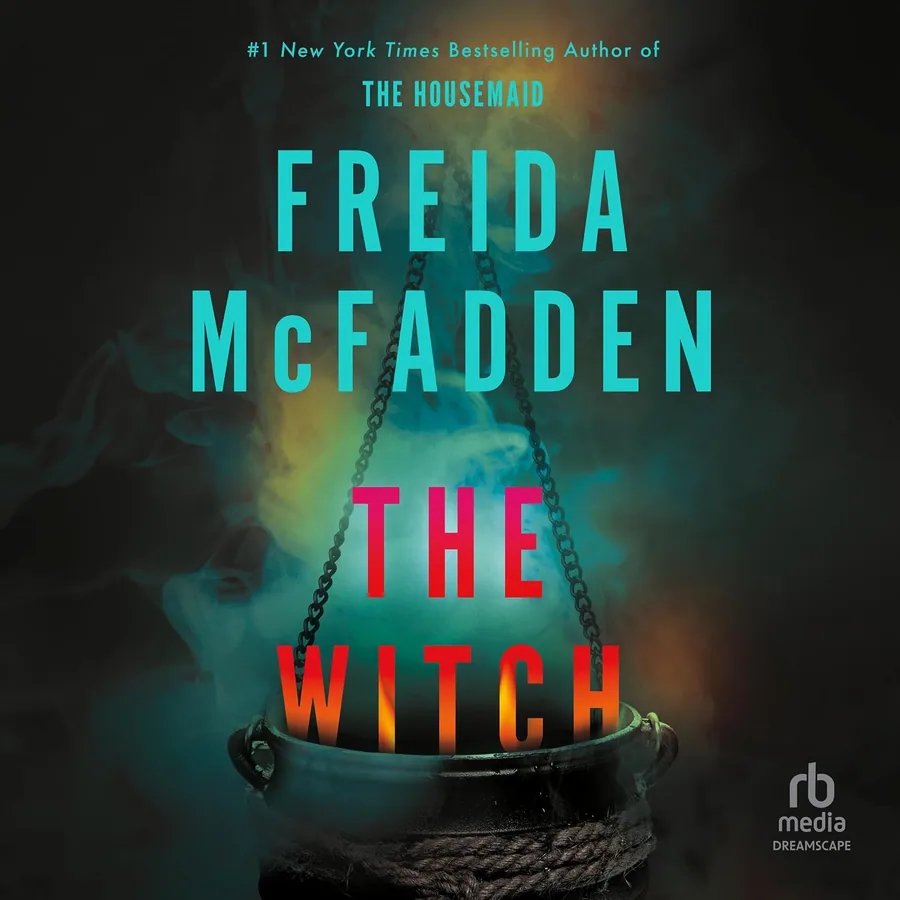
Julia Barlow has lost her job and her apartment, so she goes back to the one place she's been avoiding. Pemberton is the family estate in rural Massachusetts, seventeenth-century bones and all, and Gram and Great-Aunt Ethel still live in it. The official reason for the visit is helping Gram. The real one is hiding. She stayed away for years over something that happened to her there, and the house hasn't forgotten her either.
The disturbances start small. The grandfather clock stops at 3:41 a.m. Lights flicker for no reason. Then a voice cries for help outside her bedroom door. McFadden holds back on telling you whether any of it is a ghost, and that restraint is the book's best trick. Julia goes digging into the family's past and finds the record of a woman put to death for witchcraft in 1692. From there the novel runs two stories at once: Julia's, and Caroline's, more than three centuries earlier.
The handling of those two timelines is where this book gets properly good. McFadden doesn't flip back and forth every chapter for a cheap cliffhanger. Each story gets several chapters to build before she cuts away, so neither feels like filler between the other's big moments. Caroline's voice shifts just enough to feel old without leaning on stiff period dialogue. Her half is where the dread lives: a marriage with a secret in it, a housekeeper named Molly who knows that secret, and a witchcraft trial that pushes her toward a prison cell. Readers single out those chapters, and the trial and the prison land hard.
Second-guessing is the real engine. Guess at where this is heading and the book lets you feel clever for a chapter, then knocks the guess flat. Readers report building a theory, feeling sure of it, and being dead wrong. One twist in particular gets a jaw-on-the-floor reaction, and even the ones people say they should have seen coming still arrive with a jolt. It moves fast. Some people finish it in a day.
The pushback is fair and fairly consistent: it isn't as scary as the clock-and-voice setup promises. The supernatural stays in the background, and the mystery gradually shifts toward the psychological territory McFadden usually works in. Anyone expecting a full-throttle haunting will find the chills mild. The characters also exist mainly to serve the puzzle. Revelations deepen them, but few change much along the way, which suits a plot this twisty and costs it some heart.
Why you should read
- Gothic mysteries with a haunted-house hook
- Dual-timeline stories tied to the 1692 witch trials
- Twisty, fast reads for Halloween season
- Fans of McFadden's thrillers trying something different
What to expect
- Two timelines, several chapters at a stretch each
- More atmosphere and suspense than outright scares
- Supernatural elements held back until late
- A quick read with surprises that keep coming
The ending surprises, and it keeps faith with what came before. Pemberton hangs on to its secrets longer than most haunted houses manage, and when the answer comes it fits the place it came from.