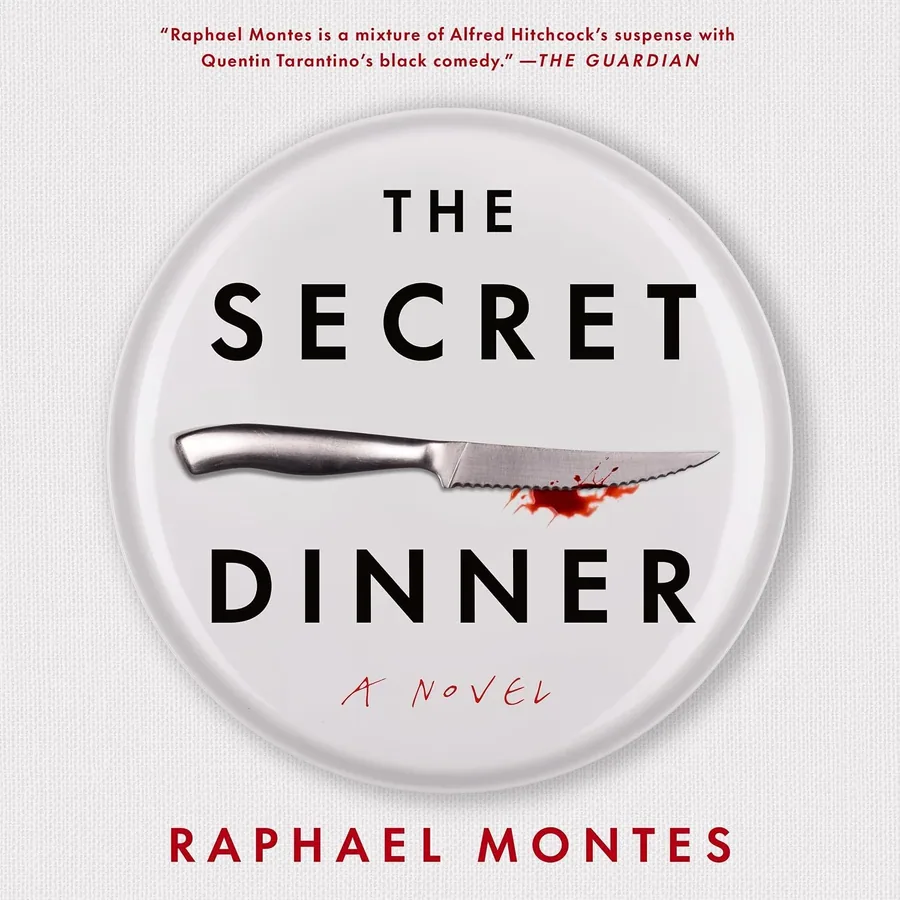
Raphael Montes never blinks. The Secret Dinner is a horror novel about high-end cannibalism, and the easy version of that book coasts on shock. This one runs on bookkeeping. Four friends leave rural Brazil for an apartment in Copacabana, the rent climbs, and the plan they land on gets discussed like any other small business: sourcing, pricing, repeat customers. The early chapters are funny because everyone sounds so reasonable. Then they stop being funny, and nobody inside the book seems to register the moment it happened.
Dante narrates, which is the novel's smartest structural move and its meanest. He is the sensible one, the explainer, and Montes lets him hold that register long past the point where it should have cracked. You start auditing his sentences. A clause about what a friend had coming, a shrug about what the clients wanted, and before long you are reading his self-justifications the way a prosecutor reads a deposition. The escalation is patient. Each dinner raises the price and drops the floor, and the reveals are timed so you sit about half a chapter ahead of the four of them, which is the worst seat in the house.
The class satire is loud on purpose. Rio's rich pay for exclusivity above everything, and the punchline is that they were already eating the people beneath them; Montes just plates it and suggests a wine. It works best when the money is specific, down to the figures, because the numbers are what let four decent kids talk themselves across a line one negotiation at a time. Where the book turns uglier than its own target is in how the narration handles Piglet's body and the sex work one girlfriend does. The contempt in those passages reads less like a character flaw than like the novel's own posture, and it sours pages that deserved better.
Why you should read
- Class-rage satire in the vein of The Menu
- Unreliable narrators who never stop explaining themselves
- Body horror you have to sit with, not glance at
- Translated crime fiction that keeps its local edges
What to expect
- First-person narration from the most reasonable friend
- Escalation structured around each successive dinner
- Comedy that curdles somewhere in the first third
- Explicit cannibalism described without flinching
Zoe Perry's translation is a genuine asset. She holds onto the slang and the class markers rather than sanding them into the flat register that so much translated crime fiction settles for, and the Rio in these pages is a specific city with specific rents, not a backdrop. First published in Portuguese in 2016, the novel took a decade to reach English, and the delay cost it nothing. The gore is explicit and unhurried; a strong stomach helps. The strongest scene, though, has no blood in it at all. Four young men at a table afterward, splitting the take, working out whether it covers next month's rent.