Reading notes
How to Write a Book Blurb That Sells (Back-Cover Copy That Hooks Readers)
Advertisement
Your cover stops the scroll. Your blurb closes the sale. Between the moment a reader notices your book and the moment they buy it, one paragraph does almost all of the persuading — the back-cover copy on a print edition, the product description on Amazon, the few lines under your title wherever a reader meets your book. Learning how to write a book blurb that sells is one of the highest-leverage skills an author can develop, because no other hundred-odd words you write will be read by more people or asked to do more work. The good news: a strong blurb is not talent or luck but a craft with a learnable shape, and most weak ones fail for the same handful of fixable reasons. Treat the blurb as seriously as any chapter — for many readers, it is the only chapter they read before deciding.
What is a book blurb, and how is it different from a synopsis?
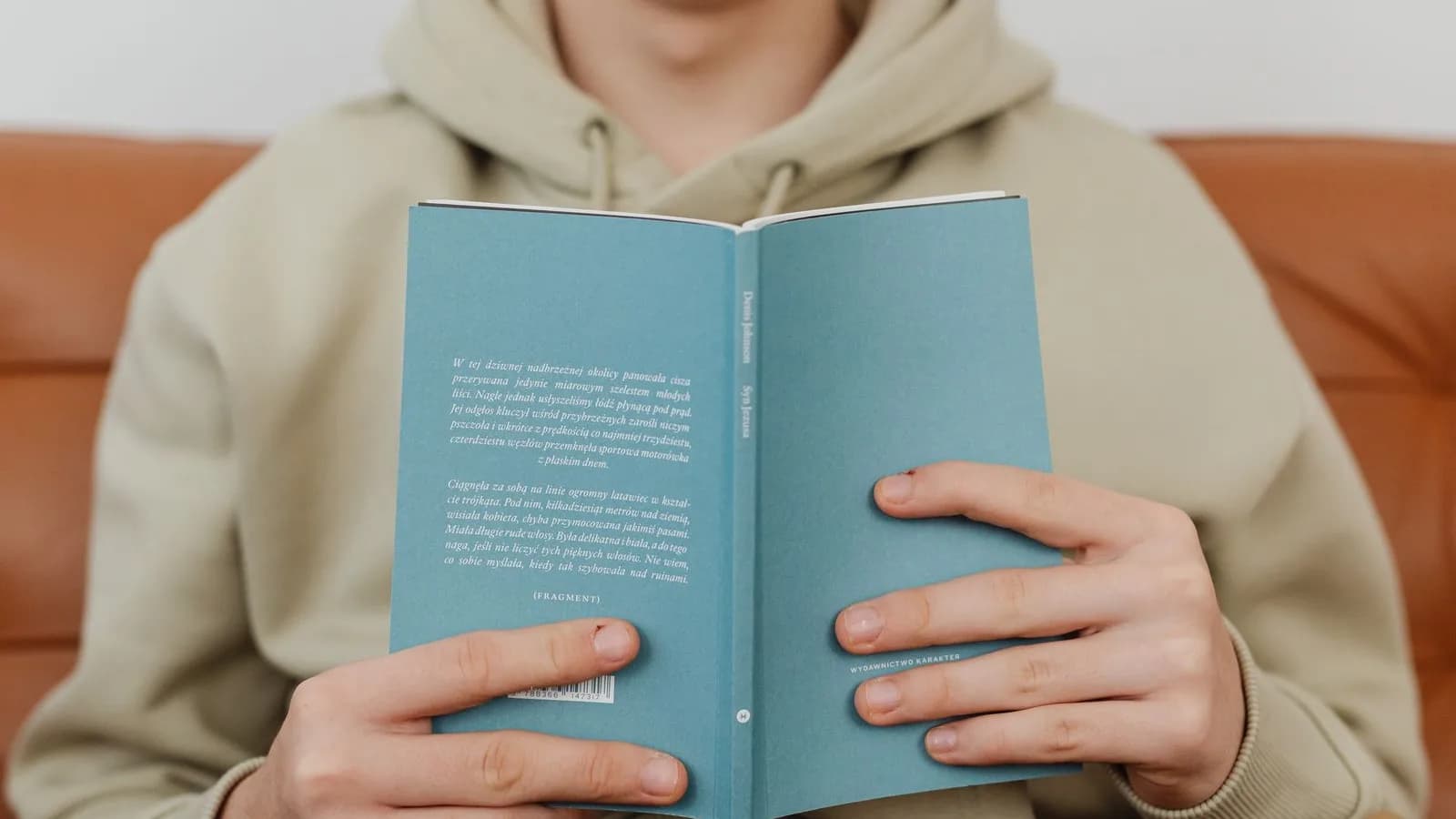
A book blurb is the short piece of marketing copy that sells your book to a browsing reader: the paragraph or two on the back cover, the description on a retailer page, the hook in a catalogue. Its only purpose is to make the right reader want to open the book. It is advertising, not information.
That single distinction is where most first-time authors go wrong. A synopsis is a complete summary of your plot, including the ending, written for an agent or editor evaluating the whole story. A blurb is the opposite: it withholds far more than it reveals. A synopsis answers "what happens in this book?" A blurb answers a more powerful question — "why can't I stop thinking about this book?" Its currency is curiosity, not completeness.
What job does a back-cover blurb actually do?
A cover earns a single click; from there the blurb is alone, with a few seconds to convert interest into a sale against every other book the reader could choose. This is the single most important sales paragraph you will write — more important, copy for copy, than any review, ad, or social post, because it is the one piece of writing every serious prospect reads. Its job is not to explain your book but to create a feeling — a specific, urgent I need to know what happens — that makes the reader trust this book delivers the experience they want, then get out of the way before you spoil any of it.
How do you write a back-cover blurb for a novel?
Fiction blurbs follow a reliable four-beat structure. You do not have to be clever; you have to hit these beats cleanly and in order:
- Open with a hook. The first line carries the whole blurb — an intriguing situation, an irreversible choice, or a question the reader feels in their chest. Many readers decide here, on one sentence, so write it last and rewrite it most.
- Introduce your protagonist and world — economically. In a line or two, give us someone to care about and a sense of the stakes they live in. Resist backstory; the reader needs just enough to feel grounded and invested, not a character résumé.
- Raise the central conflict and what's at risk. Name the engine of the story and make the stakes concrete and personal. "Her ordered life" is vague; "the brother she swore she'd never speak to again" is a stake a reader can feel. Specific danger beats grand abstraction.
- End on a question or a turn — and never spoil. Close on the edge of the cliff, not the bottom of it. Leave a deliberate, aching gap that only buying the book can fill. The ending is the reader's reward; giving it away defeats the entire purpose.
Notice what the structure leaves out: subplots, the supporting cast, the twist, the resolution. A novel blurb is a doorway, not a map. If you're still drafting the story those beats describe, our guide to writing your first novel and our companion on outlining your novel will help you find the hook before you have to sell it.
How is a nonfiction blurb different?
Nonfiction readers buy a transformation rather than a story — a problem solved, a skill gained, a question answered. So a nonfiction blurb is built around a promise, on a three-part frame:
- The promise. Open by naming the reader's pain or desire and the specific change your book delivers, so the first line makes them think this book is about me and what I'm struggling with right now.
- The proof, in benefit bullets. Three to five short, scannable bullets spelling out what the reader will be able to do, understand, or feel by the end. Lead with the outcome ("price your work without apologizing"), not the feature ("a chapter on pricing"). Readers buy results, not table-of-contents items.
- The credibility. Close with a sentence on why you are the one to deliver this — your experience, your results, the readers you've already helped. In nonfiction the author's authority is part of the sale.
For fiction and nonfiction alike, your blurb is one piece of a larger discovery puzzle that includes your title, categories, and keywords — a side we cover in how to market your book and how to self-publish your first book. The blurb is the persuasion; the metadata is how the reader gets there to be persuaded.
How long should a book blurb be, and how should you match the tone?
Aim for roughly 100 to 200 words — long enough to build a hook, a character, and a stake; short enough that a reader skimming on a phone takes it all in without effort. Online, the first line or two matters most, because retailers truncate the description behind a "read more" link, so your hook has to land before the fold.
Advertisement
Tone is not decoration; it is a promise about the reading experience, and it must match your genre. A cosy mystery should feel warm and wry; a thriller tight and urgent, full of short sentences and a ticking clock. Literary fiction can afford a more lyrical, interior voice — the register you'll see across our literary fiction shelf — while romance leans into longing and chemistry. The blurb should read like a concentrated sample of the book's own voice, because a reader who loves how it feels is betting the whole book feels that way too. Mismatch the tone and you attract the wrong readers, who leave the disappointed reviews that sink a book.
How do you research what works in your genre?
You do not have to invent the conventions of a winning blurb — your genre has already settled them, and the bestsellers are a free masterclass. Before you write a word, study the back-cover copy of the top twenty or thirty books in your exact category (your comps), reading them like a copywriter, not a fan. How long is the first sentence? What kind of hook opens them — a question, a threat, a startling fact? Which words recur across the genre, signalling "this is the kind of book you're looking for"? Where do they cut off and leave you hanging? The patterns jump out fast, because they work. Your job is not to copy any single blurb but to internalise the genre's grammar of desire, then write yours in that fluent dialect. Browsing the archive, or a shelf like our debut novels collection, is another easy way to see strong, concise copy side by side.
What should you avoid in a book blurb?
Most weak blurbs share a short list of culprits. Hunt for these in every draft:
- Writing a summary. The most common failure. If your blurb marches through the plot in order, you've written a synopsis. Cut to the hook and the hunger.
- Spoiling the story. Never reveal the twist, the killer, or the ending. The unanswered question is the thing you're selling; answer it and there's nothing left to buy.
- Vague, generic stakes. "Her world is turned upside down" and "nothing will ever be the same" are placeholders, not stakes. Replace every abstraction with something specific the reader can picture and fear losing.
- Clichés and empty superlatives. "A roller-coaster you won't be able to put down" tells the reader nothing and signals you ran out of real things to say. Show the ride; don't label it.
- Too many names. A blurb crowded with character and place names reads as confusing and exhausting. Usually you need only the protagonist — sometimes not even that.
How do you format an Amazon book description?
On Amazon and most retailers, formatting is part of the sell, because a wall of text gets skipped. Lead with your strongest hook in the very first line — assume the reader sees only that line before deciding whether to expand the description. Then break the copy into short paragraphs of one to three sentences with white space between them, so the eye moves down the page without friction. Nonfiction reads best with a tight list of benefit bullets; fiction as two or three short, punchy paragraphs ending on the cliff-edge question.
If you have it, add social proof near the top — a one-line editorial quote, an award, a "from the bestselling author of…", or a short, genuine testimonial. Social proof measurably lifts conversion because it borrows trust the reader hasn't yet had to extend to you. The best kind is honest reviews, which is why earning a handful before launch is worth the effort; our guide to getting book reviews before launch walks through how to gather them ethically.
A weak blurb vs. a strong blurb
The fastest way to feel the difference is to see one book sold two ways. Here is a flat, summary-style blurb — the kind almost every first draft becomes:
Maya Okafor is a thirty-four-year-old architect in Chicago. After her mother dies, she inherits an old house in the coastal town where she grew up, and travels back to sort out the estate and reconnect with family. Going through her mother's belongings, she discovers letters that reveal secrets about her family's past, and must decide what to do with what she learns. It's a moving story about family, memory, and coming home.
It is competent and completely forgettable: it summarises, tells us how to feel ("moving"), has no hook and no stakes, and half-spoils its own discovery without making us hungry for it. Now the same book, written to sell.
Maya swore she'd never go back to Harbor's End. Then her mother died and left her the one thing she couldn't refuse: the house where it all went wrong. She means to sort the estate and leave within a week. But behind a loose board in her mother's room is a bundle of letters in a stranger's hand — letters that turn the story of Maya's whole childhood into a lie. The truth has a name. It's still living three streets away. And it has been waiting twenty years for Maya to come home.
Same plot, same word count, different job entirely. The strong version opens on a refusal and a death, makes the stakes personal, keeps every revelation just out of reach, and ends on a door the reader has to open. Nothing is spoiled; everything is promised — and it comes from rewriting, not waiting for inspiration. Once you have a draft, sharpen it the way you'd sharpen prose, with the same eye you bring to our self-editing guide.
Where to go from here
A blurb that sells is not a flourish you add at the end; it is a small, deliberate piece of persuasion you draft and rewrite until every line earns its place. Lead with a hook, ground the reader fast, make the stakes specific, end on a question, never spoil. Study your genre's bestsellers, match your tone to the promise, keep it to a tight hundred-and-fifty words, and add a line of social proof if you have it. Then read it aloud, cut a quarter, and read it again.
When your blurb is sharp and your book is ready, you can submit it to Book of the Day for consideration as a daily pick — submissions are currently free. From here, the blurb feeds the rest of your launch — whether you go on to query a literary agent or publish independently and weigh what self-publishing costs. You can also learn more about Book of the Day or read our FAQ. Write the line that stops them. Then let your book do the rest.
Photographs via Pexels (Pexels License).
Listen free with a trial
Prefer listening? Most of our picks are on Audible.
Start a 30-day free trial, pick one audiobook a month, and cancel anytime.
We earn from qualifying Amazon purchases.
Frequently asked questions
- What is a book blurb?
- A book blurb is the short piece of marketing copy that sells your book to a browsing reader — the paragraph or two on the back cover, the product description on a retailer page like Amazon, or the hook in a catalogue. Its only job is to make the right reader want to open the book. It is advertising, not a summary: it withholds far more than it reveals and aims to create curiosity rather than explain the plot.
- How long should a book blurb be?
- Aim for roughly 100 to 200 words — long enough to land a hook, introduce a character, and raise a stake, but short enough to read at a glance on a phone. Online, the first one or two lines matter most, because retailers hide the rest of the description behind a "read more" link, so your hook needs to do its work before the fold.
- How do you write a back-cover blurb for a novel?
- Use a four-beat structure: open with a strong hook in the first line; introduce your protagonist and world economically; raise the central conflict and make the stakes specific and personal; and end on a question or a turn without spoiling the story. Leave out subplots, the supporting cast, the twist, and the ending — a novel blurb is a doorway, not a map.
- How is a blurb different from a synopsis?
- A synopsis is a complete plot summary, including the ending, written for an agent or editor who needs to evaluate the whole story. A blurb is the opposite: it is marketing copy that deliberately withholds the ending and most of the plot to create curiosity. A synopsis answers "what happens in this book?" A blurb answers "why can't I stop thinking about this book?"
- What should you avoid in a book blurb?
- Avoid writing a plot summary, spoiling the twist or ending, using vague generic stakes like "her world is turned upside down," leaning on clichés and empty superlatives such as "a roller-coaster you won't put down," and cramming in too many character or place names. Replace every abstraction with something specific the reader can picture and fear losing.
- Does social proof help a book description convert?
- Yes. A short, genuine testimonial, an editorial quote, an award, or a "from the bestselling author of…" line placed near the top of your description measurably lifts conversion, because it borrows trust the reader has not yet had to extend to you. Honest reviews are the strongest form, which is why gathering a handful before launch is worth the effort.
Browse all subjects
Move from this note into the full genre index.
Read the archive
Browse past daily picks when the catalog is live.
Submit a book
Send a title for future consideration.
More from the blog
Is the Audible Free Trial Worth It? What You Get, and How to Spend the First Credit
What an Audible trial includes on each tier, why a credit and the included catalogue are different things, and the books worth a first credit. Updated 2026.
The Books Becoming Movies and TV Shows in 2026 (and What to Read First)
Nolan's Odyssey, Dune: Part Three, Verity, Sunrise on the Reaping, Silo season 3, The Whisper Man, Hamnet, East of Eden — the full 2026 page-to-screen map, with the case for reading each book before the adaptation spoils it.
The New Books of July 2026 Worth Your Time
July 2026's biggest new books, sorted honestly: Colson Whitehead closes the Harlem Trilogy, Pamela Colloff delivers the true-crime book of the year, plus new Silvia Moreno-Garcia, Emily Giffin, Shari Lapena, and Annie Jacobsen — and what to read while you wait.
Advertisement


