Reading notes
How to Outline a Novel in 2026: Plotter vs. Pantser (and the Methods That Actually Work)

Advertisement
Between the idea that thrills you and the finished manuscript sits a question every novelist has to answer for themselves: how much should you plan before you write? Some writers map every scene on index cards before typing a word. Others open a blank document and follow the story into the dark. Both finish books, and both write good ones. If you have been told there is a single correct way to outline a novel, you have been told wrong — and the anxiety that creates has stalled more first novels than any blank page ever did.
This guide is here to take that pressure off. We will walk the plotter-to-pantser spectrum without dogma, look at why outlining helps even discovery writers, and then lay out concrete methods you can actually use — from a ten-sentence story spine to a full beat sheet — with enough how-to that you can try one this week. The goal is not to convert you to one camp; it is to help you find the amount of planning that keeps you writing.
Plotter, pantser, or plantser: which kind of writer are you?
The vocabulary is playful but useful. A plotter plans the story in advance — sometimes lightly, sometimes in obsessive detail — and drafts toward a known destination. A pantser writes "by the seat of their pants," discovering the plot by writing it and trusting the characters to reveal where the story wants to go. And most working novelists are neither: they are plantsers, who plan enough to feel oriented and then leave deliberate room to discover the rest.
Think of this as a dial, not a switch. On one end is the writer who knows the last line before drafting; on the other is the writer who would be bored if they did. You can sit anywhere on that dial — and in a different place for different books. The plotter is not more serious, and the pantser is not more artistic. These are temperaments and working methods, not a measure of talent. The only wrong setting is the one that stops you from finishing.
Why outline a novel at all?
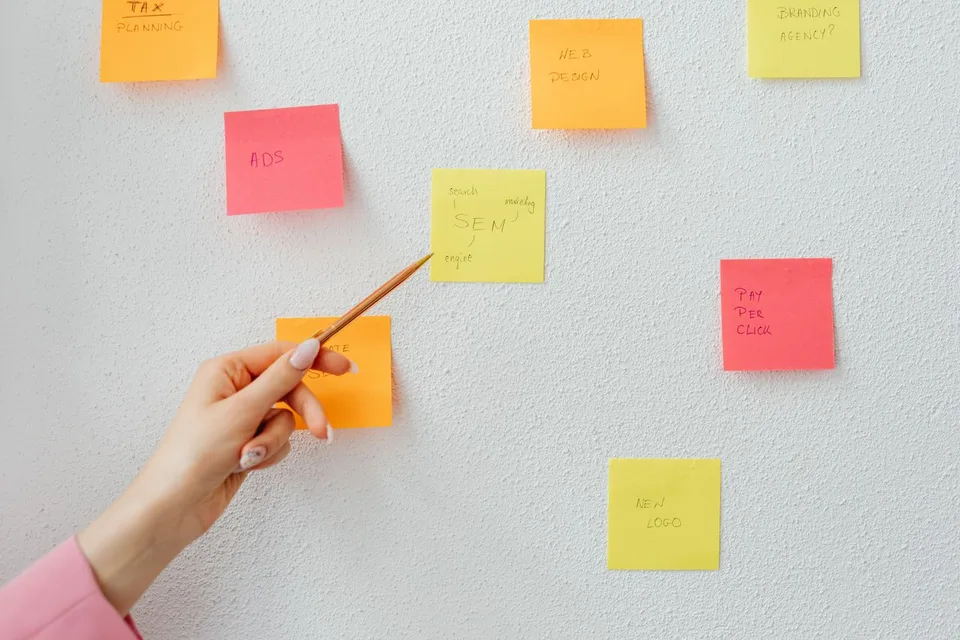
If pantsing works, why plan? Because an outline, even a loose one, solves the two problems that sink the most first drafts: the sagging middle and the dead end. Knowing roughly where you are headed lets you write toward something, so the murky middle third — where most abandoned manuscripts go to die — has shape and momentum instead of drift. And a little forethought catches structural problems while they are still cheap to fix on a page of notes, rather than expensive and buried in 60,000 words of finished prose.
An outline also lowers the daily cost of showing up. When you sit down already knowing what today's scene is doing, you spend your energy on the writing itself instead of on the paralyzing question of what happens next — and for many first-time novelists, that is the difference between a steady draft and a stalled one. None of this means you must plan to the comma, only that some map tends to get the book finished. Here are the methods, arranged from lightest to most detailed.
What are the best novel outline methods?
There is no shortage of systems, and you do not need all of them — only one that fits the book in front of you. Start light; you can always add detail. Here are the methods that have earned their reputation, with enough how-to that you can pick one and begin.
The story spine: your novel in 7–10 sentences
The fastest useful outline is also the oldest. Write your whole story as a handful of connected sentences, each beginning with a structural cue: Once upon a time… Every day… Until one day… Because of that… Because of that… Until finally… And ever since… In ten minutes you have a spine — a beginning, an escalating middle, and an ending — and you can see at a glance whether your story actually goes somewhere or just describes a situation. This is the perfect first move for a pantser who wants orientation without a cage.
Advertisement
Dan Wells' 7-point structure
Borrowed from screenwriting and popularized for novelists by Dan Wells, the 7-point structure asks you to define seven load-bearing moments: the Hook (the starting state), the first Plot Turn that launches the story, the first Pinch that applies pressure, the Midpoint where the hero shifts from reacting to acting, a second Pinch that raises the stakes, the second Plot Turn that supplies the final piece, and the Resolution. The clever part: you start at the end and work backward, which forces a finish that pays off the beginning. It is light enough to scribble on an index card and strong enough to hold a whole novel up.
Three-act structure and the "Save the Cat" beat sheet
The three-act shape — setup, confrontation, resolution — is the bones under most stories ever told, worth knowing because it describes how readers expect a narrative to feel. The most popular modern expansion is the Save the Cat beat sheet, which breaks those acts into fifteen named beats (the opening image, the catalyst, the midpoint, the "all is lost" low, the finale, and so on) and gives each a rough place in the book. For a writer who wants a proven template to fill in, this is the most concrete map available — a turning point every few thousand words, so you are never lost about what the story needs next.
The Snowflake method
If you like to build out from a center, the Snowflake method is for you. You start with a single sentence that captures the whole novel, expand it to a paragraph, then to a page, then to a page per character, unfolding each piece until you have a scene-by-scene plan. Nothing is wasted, because each stage grows directly out of the one before it. It rewards patience and suits the planner who would rather solve the story on paper than in the draft.
Index cards and a scene list
The most tactile method needs no software: one card per scene, with a line about what happens and what changes. Spread them on a table or pin them to a corkboard and you can see your novel — reorder scenes, spot a stretch where nothing happens, notice that a subplot vanishes for a hundred pages. A scene list does the same job in a document: a numbered row per scene noting the point-of-view character, the goal, and the turn. This is the working outline most novelists actually live in, because it is easy to change as the book teaches you what it is about.
Reverse outlining a discovery draft
And if you simply cannot plan ahead — if planning kills the spark — there is a method for you too. Write the messy discovery draft first, then reverse outline it: summarize each existing scene in a line to map what you actually wrote. Suddenly the structure is visible, and you can see the repetition, the gaps, and the shape that emerged. This is outlining for pantsers, done at the moment it is most useful — when revising rather than before drafting. It pairs naturally with the revision work in our self-editing guide below.
How do you choose an outlining method?
Pick by temperament and by genre, in that order. If detailed planning excites you and a blank page frightens you, lean into a fuller method — the Snowflake or a complete beat sheet. If too much planning drains the fun out of the story, choose the lightest scaffold that still keeps you oriented — a story spine or the 7-point structure — and discover the rest. Be honest about which writer you are rather than which writer you think you should be.
Genre nudges the dial too. Tightly plotted forms — mystery, thriller, romance, and most series fiction — reward more upfront structure, because fair-play clues, escalating beats, and genre promises are far easier to plant on purpose than to retrofit. Quieter literary and character-driven novels often thrive with a looser hand, where voice and discovery matter more than mechanical turns. When in doubt, start lighter than you think you need: adding structure is easy, while peeling off a plan that has gone rigid is not.
An outline is a map, not a cage. Its job is to keep you moving in roughly the right direction — not to dictate every step, and certainly not to overrule the better idea you have on page 200.
How detailed should a novel outline be?
Exactly as detailed as it needs to be to keep you writing, and not one note more. Some novelists thrive with a single index card of turning points; others want a paragraph for every scene before they will type chapter one. Both are correct. The detail is a tool in service of the draft, never a deliverable you owe anyone — no one will ever read your outline, so its only measure is whether it helps.
Advertisement
A practical middle path for a first novel: nail down the few load-bearing moments — the inciting incident, the midpoint shift, the climax, and how it ends — and leave the connective tissue between them loose enough to discover as you write. That gives you stepping stones across the river without paving over the parts where the best surprises happen. If your outline starts feeling like homework, you have over-planned; dial it back and start drafting.
What tools can you use to outline a novel?
The honest answer is that the tool barely matters — reaching for a new app is a famous way to procrastinate. Almost every published novel was outlined with one of these:
- Paper and index cards. A stack of cards, a corkboard, or a notebook. Tactile, instantly rearrangeable, and impossible to crash. Many novelists never need more.
- A plain document or spreadsheet. A numbered scene list in your word processor, or a row-per-scene spreadsheet tracking point of view, goal, and turn. Free, searchable, and good enough for a whole career.
- Dedicated writing software. Tools like Scrivener with its corkboard, or outliner apps built for fiction, shine when you want your outline and your draft in the same place. Useful — but a convenience, not a prerequisite.
Choose the simplest thing you will actually use, and start filling it in today. The book is written in the draft, not in the outliner.
How does an outline survive contact with drafting?
Here is the secret that frees both plotters and pantsers: an outline is allowed to change. You will be a hundred pages in when a character does something truer than anything you planned, or a subplot you invented to fill space turns out to be the real story. When that happens, follow the better idea and update the map — do not strangle the living draft to honor a plan you made before you knew the book. The outline existed to get you here; let it keep doing that job by bending.
So treat your outline as a working document, revised as freely as the manuscript it serves. The plan that gets you to "the end" almost never matches the one you started with — and that is a sign the method worked, because it kept you moving long enough for the real story to show up. With a map in hand, however rough, the next step is simply to write the thing.
If you want to go deeper than any single guide can, a few craft books are worth their weight. Jessica Brody's Save the Cat! Writes a Novel is the friendliest full walkthrough of the fifteen-beat structure mentioned above, with novel examples on every page. Lisa Cron's Story Genius argues for outlining from the inside out — building the plot from your protagonist's internal change rather than external events — and is a revelation for character-driven writers. And for the speed-minded, Libbie Hawker's Take Off Your Pants! makes a brisk, practical case that a good outline is what lets you draft fast and revise less.
As an Amazon Associate, Book of the Day earns from qualifying purchases — at no extra cost to you. We only point to books we'd actually press into a friend's hands.
Where to go from here
Outlining is not the work; it is the warm-up that makes the work possible. Choose the lightest method that keeps you oriented, define your load-bearing beats, leave room to discover the rest, and remember that the map is yours to redraw the moment the territory proves more interesting. Then close the outliner and draft.
This post sits right before the writing begins, so the natural next step is our guide to writing your first novel, which picks up the moment you start drafting. When the draft is done, sharpen it with how to edit your novel — where reverse outlining earns its keep — then choose your road with how to get a literary agent or how to self-publish your first book, and learn to sell it with how to market your book. When your novel is written, edited, and out in the world, you can submit it to Book of the Day for consideration as a daily pick — submissions are currently free. You can also browse the archive, explore our debut novels shelf and the literary fiction shelf, or learn more about Book of the Day and our frequently asked questions. The map is drawn. Now go write the book.
Photographs via Pexels (Pexels License).
Listen free with a trial
Prefer listening? Most of our picks are on Audible.
Start a 30-day free trial, pick one audiobook a month, and cancel anytime.
We earn from qualifying Amazon purchases.
Frequently asked questions
- Should I outline my novel or just start writing?
- Either can work — outliners ("plotters") and discovery writers ("pantsers") both finish good novels. The honest answer depends on your temperament: if a blank page frightens you, a light outline of your major turning points will keep you moving; if planning drains the fun, start writing and reverse outline later. The only wrong choice is the one that stops you from finishing.
- What is the difference between a plotter and a pantser?
- A plotter plans the story in advance and drafts toward a known ending. A pantser writes "by the seat of their pants," discovering the plot by writing it. Most working novelists are somewhere in between — often called "plantsers" — planning enough to feel oriented while leaving room to discover the rest. It is a dial, not a switch, and neither end is more serious or more artistic.
- What is the best outlining method for beginners?
- Start light. The story spine — telling your whole novel in seven to ten connected sentences ("Once upon a time... Until one day... Because of that... Until finally...") — takes ten minutes and shows whether your story actually goes somewhere. From there, Dan Wells' 7-point structure or the Save the Cat beat sheet give a more detailed template to fill in. Try one, and add detail only if you need it.
- How detailed should a novel outline be?
- Exactly as detailed as it needs to be to keep you writing, and no more. Some novelists thrive on a single index card of major turning points; others want a paragraph per scene. A practical middle path for a first novel is to pin down the load-bearing moments — the inciting incident, the midpoint, the climax, and the ending — and leave the connective tissue loose enough to discover as you draft.
- Can I change my outline while I am writing?
- Yes, and you almost certainly should. An outline is a map, not a cage. When a character does something truer than you planned, or a minor subplot turns out to be the real story, follow the better idea and update the outline to match. The plan that gets you to the end rarely matches the one you started with — that is a sign the method worked.
Browse all subjects
Move from this note into the full genre index.
Read the archive
Browse past daily picks when the catalog is live.
Submit a book
Send a title for future consideration.
More from the blog
Is the Audible Free Trial Worth It? What You Get, and How to Spend the First Credit
What an Audible trial includes on each tier, why a credit and the included catalogue are different things, and the books worth a first credit. Updated 2026.
The Books Becoming Movies and TV Shows in 2026 (and What to Read First)
Nolan's Odyssey, Dune: Part Three, Verity, Sunrise on the Reaping, Silo season 3, The Whisper Man, Hamnet, East of Eden — the full 2026 page-to-screen map, with the case for reading each book before the adaptation spoils it.
The New Books of July 2026 Worth Your Time
July 2026's biggest new books, sorted honestly: Colson Whitehead closes the Harlem Trilogy, Pamela Colloff delivers the true-crime book of the year, plus new Silvia Moreno-Garcia, Emily Giffin, Shari Lapena, and Annie Jacobsen — and what to read while you wait.
Advertisement
From the archive


