Listen by genre
The Best Time Travel Audiobooks
7 reviewed time travel titles on audio, with our score, the narrator, and how long each one runs. Stream or download each free with an Audible trial.
Listen free with a trial
Any of these, free with an Audible trial
Start a 30-day free trial and listen to your first audiobook free. Stream or download in the Audible app, and cancel any time.
As an Amazon Associate, we earn from qualifying purchases. This helps support the site at no extra cost to you.
Ranked
The best time travel audiobooks, ranked
Time travel is the premise most likely to fall apart the moment you stop and think, so this shelf favors the books that hold up when a narrator says the plot out loud. Seven titles, ranked on how much the recording adds rather than on how clever the mechanism is. Expect anything from a single travel day to past thirty hours, and several recordings split between more than one narrator. Every entry names its narrator, and its running time where the catalog holds one.
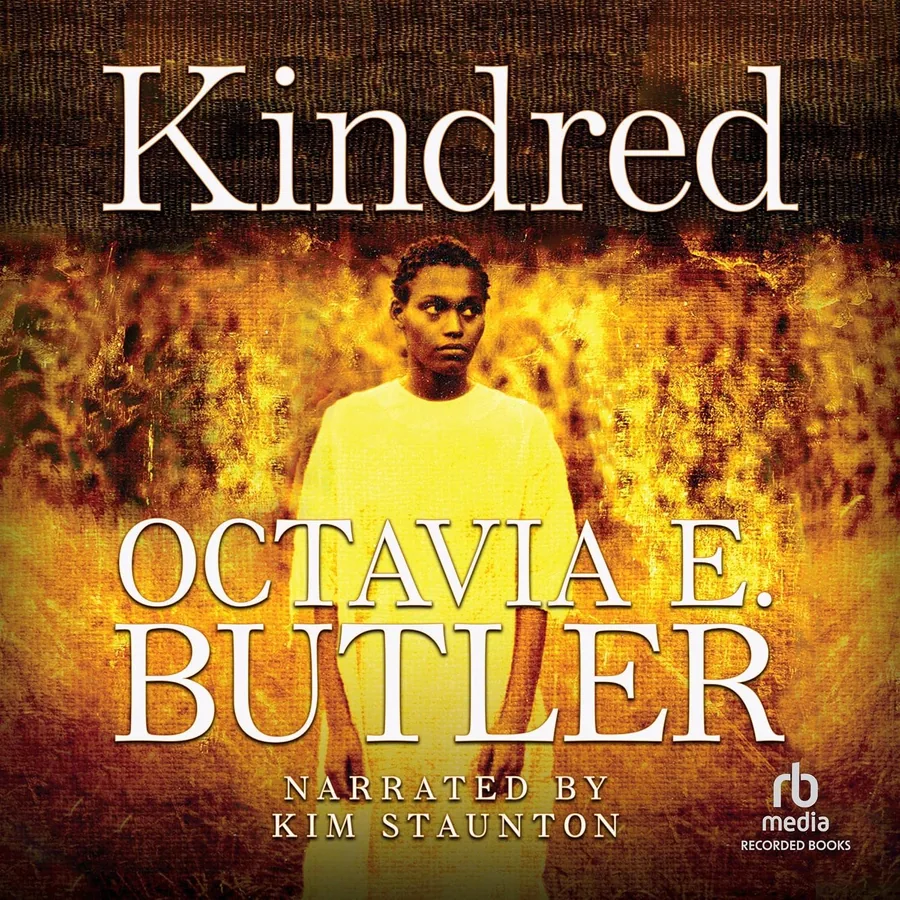
Kindred
Narrated by Kim Staunton, 10 hr 55 min
Kim Staunton moves between 1976 Los Angeles and antebellum Maryland with a shift in pace rather than a gimmick, so the jolt Dana feels every time she is pulled back lands on the listener too. Her plantation-era voices carry no caricature, which keeps the horror historical instead of theatrical. 10 hr 55 min, heavy and urgent. Nothing else on this shelf uses time travel to make history this physical.
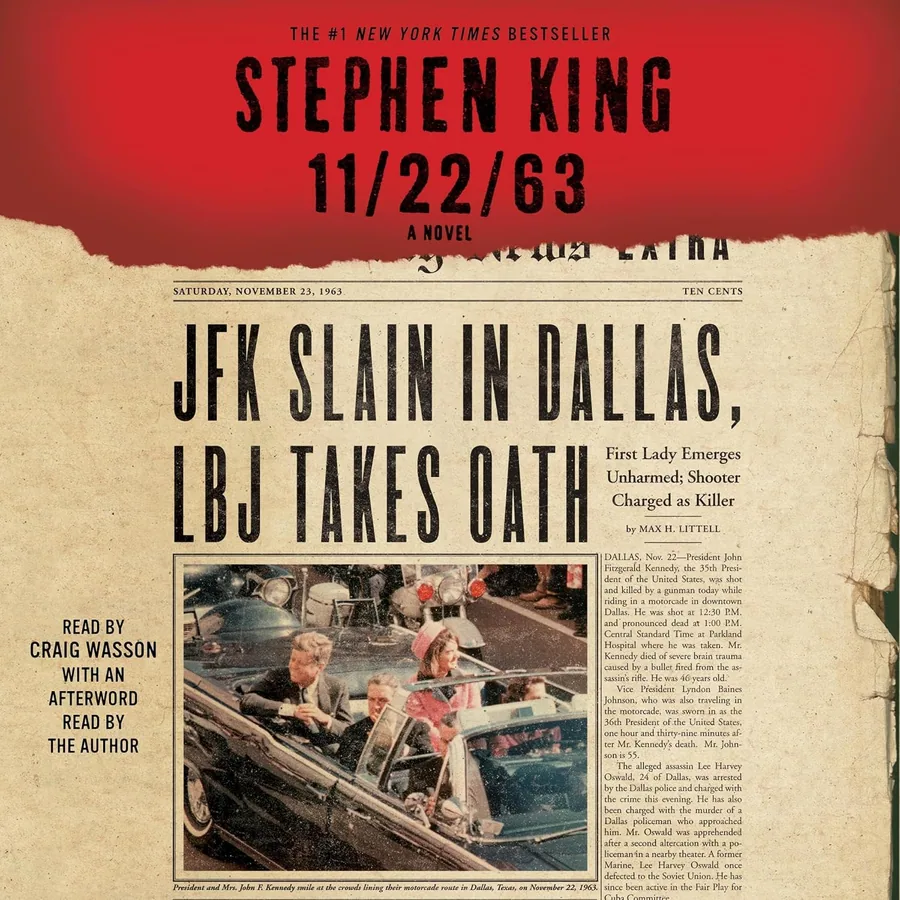
11/22/63
Narrated by Craig Wasson, 30 hr 40 min
Craig Wasson inhabits 1958 rather than describing it: the slower speech, the diner-counter small talk, the dread under postwar politeness. Across 30 hr 40 min he holds a town full of con men, teachers and one increasingly unstable Lee Harvey Oswald without ever losing Jake at the center. The length is the argument, since the deal Jake makes is five years of his own life and the listen asks something close to the same of you.
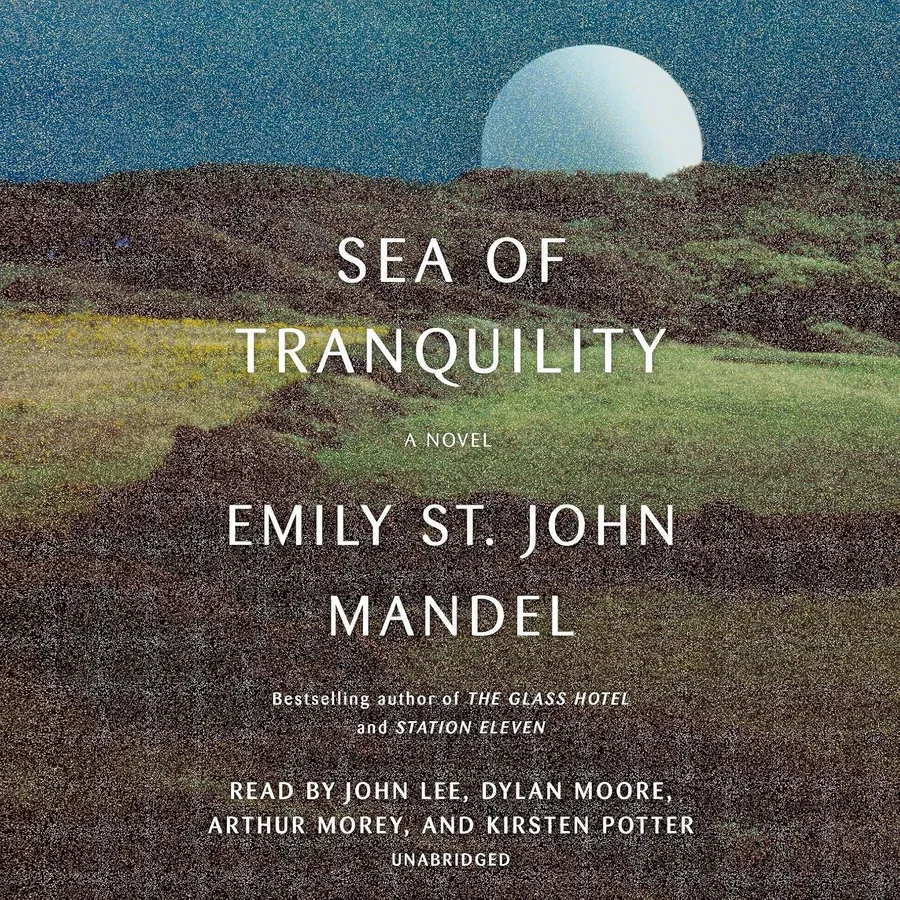
Sea of Tranquility
Narrated by John Lee, Dylan Moore, Arthur Morey, and Kirsten Potter, 5 hr 47 min
Under six hours, which makes this one of the few literary novels you can finish inside a single travel day, and the shape rewards exactly that. John Lee, Dylan Moore, Arthur Morey and Kirsten Potter split 1912, the 2200s and a moon colony centuries later, so the voice handoffs mark the century changes that section headings handle in print. 5 hr 47 min, three timelines live at once.
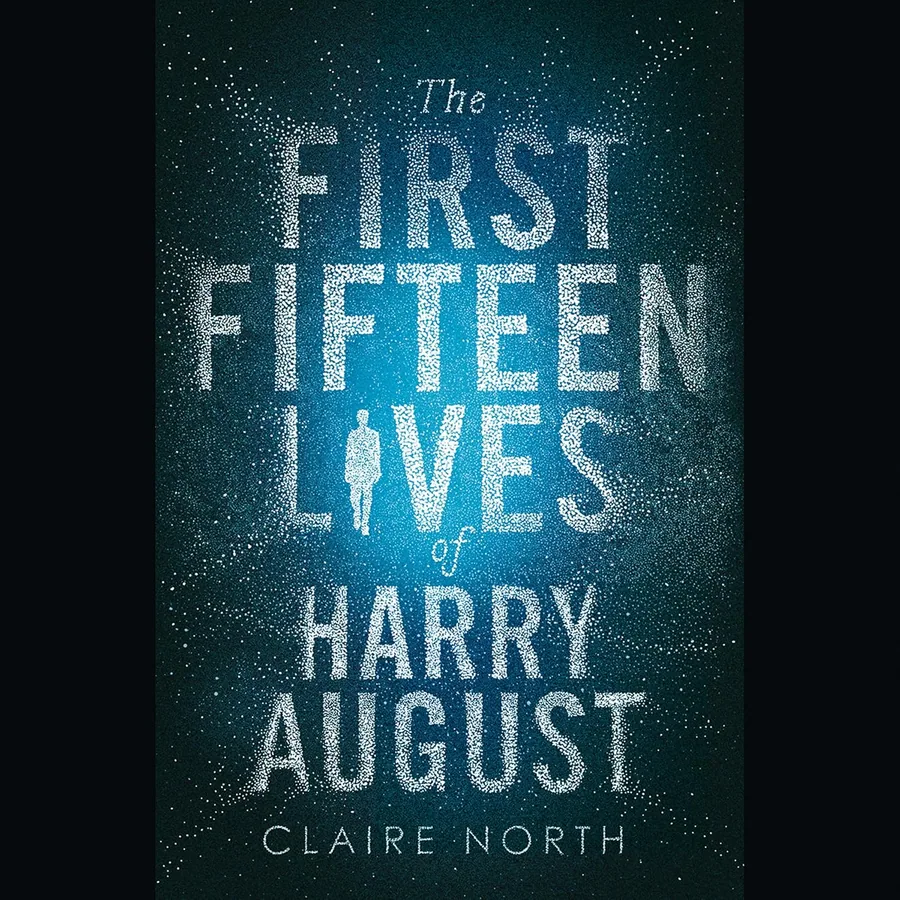
The First Fifteen Lives of Harry August
Narrated by Peter Kenny, 12 hr 10 min
A novel built on repetition needs a narrator who can make the same century sound different every time, and Peter Kenny sustains that for 12 hr 10 min without the loops turning into reruns. His Harry ages in the voice itself, wearier and more clipped with each remembered life, so you feel the exhaustion of reincarnation before the plot spells it out. It is cerebral and wants long uninterrupted stretches, so save it for a flight rather than a school run.
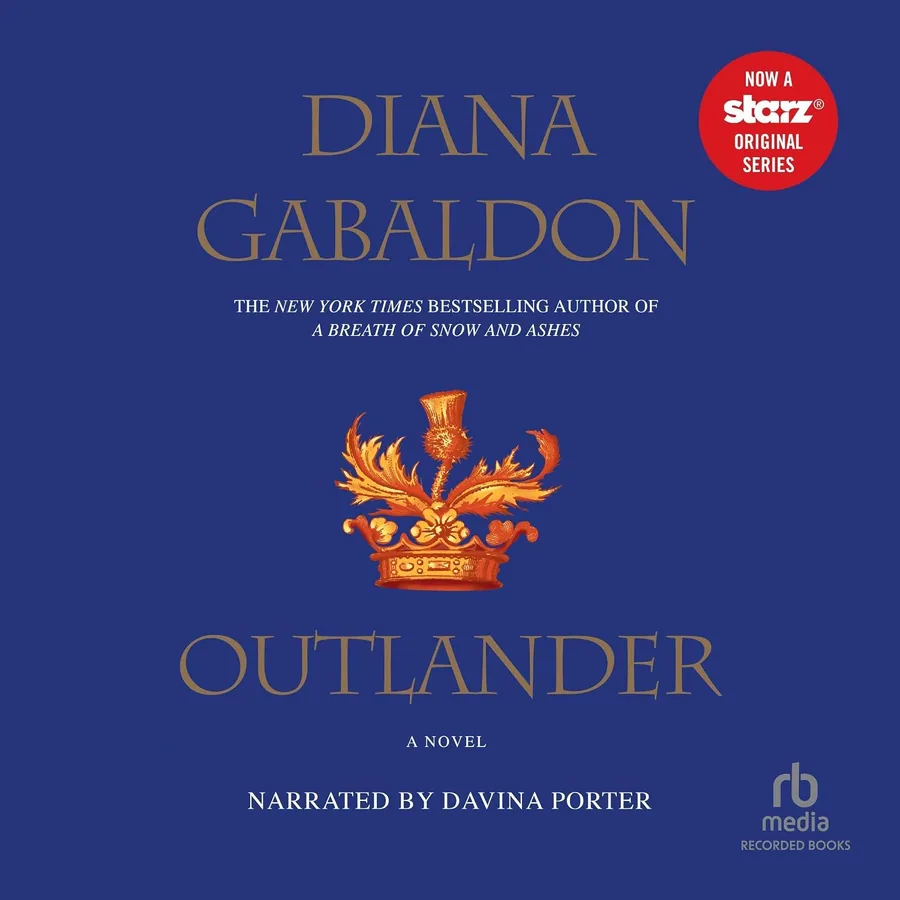
Outlander
Narrated by Davina Porter, 32 hr 38 min
Davina Porter is the recording people cite when they argue that narration is an art form: 32 hr 38 min, a full Scottish and English cast held inside one voice, and a Claire who sounds like a 1940s combat nurse rather than a romance heroine. The standing stone here is a doorway rather than the subject, and the commitment is closer to a month than a weekend.
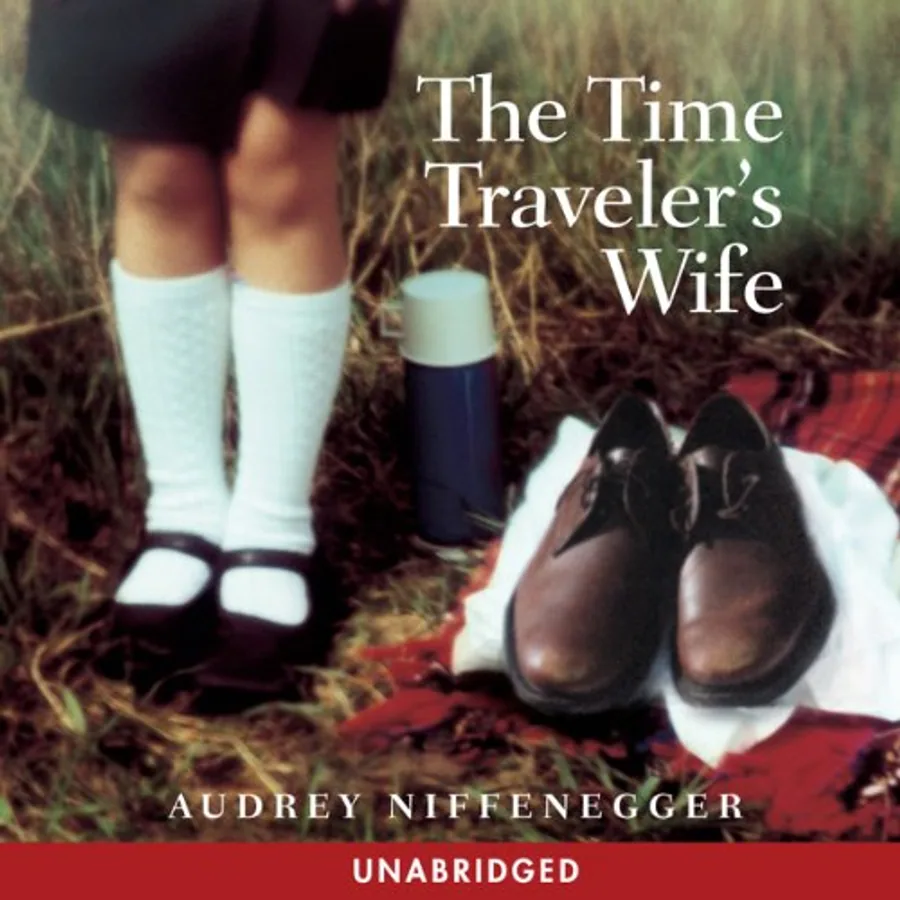
The Time Traveler's Wife
Narrated by Fred Berman and Phoebe Strole
Henry and Clare take turns telling their own story, so two narrators is the right call. Fred Berman carries Henry's disorientation, always arriving mid-scene and unsure of the year, while Phoebe Strole gives Clare the steadier half of a marriage spent waiting. The scrambled chronology that disorients on the page clarifies once you have two voices to track. The structure is the achievement and the romance is the reason you stay to the end of it.
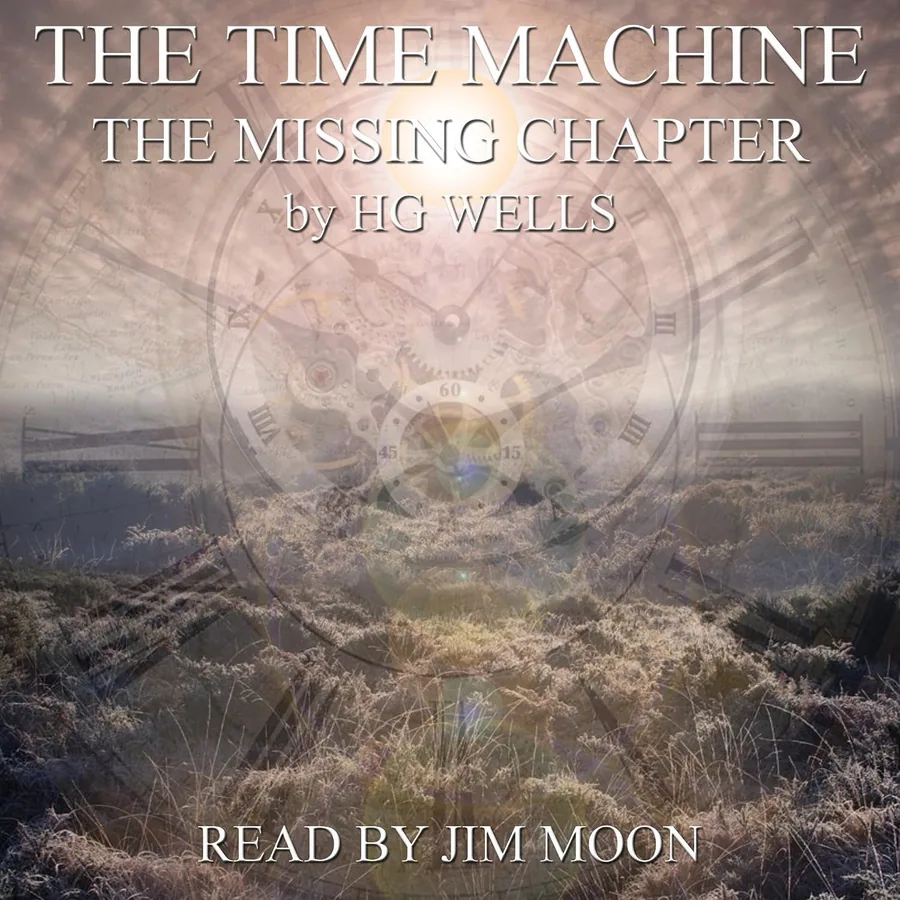
The Time Machine
Narrated by Jim Moon
Jim Moon reads with the faintly ironic authority of a Victorian lecturer, which is exactly right, because the Time Traveller is presenting his impossible journey to a room of skeptical dinner guests. The framing device works better aloud than in print, where you are less obviously one of the audience being told the story. It is the oldest and slightest thing on this shelf, and still the book every other entry here descends from.


