Where to read or listen
- Is there an audiobook of Shoe Dog: A Memoir by the Creator of Nike?
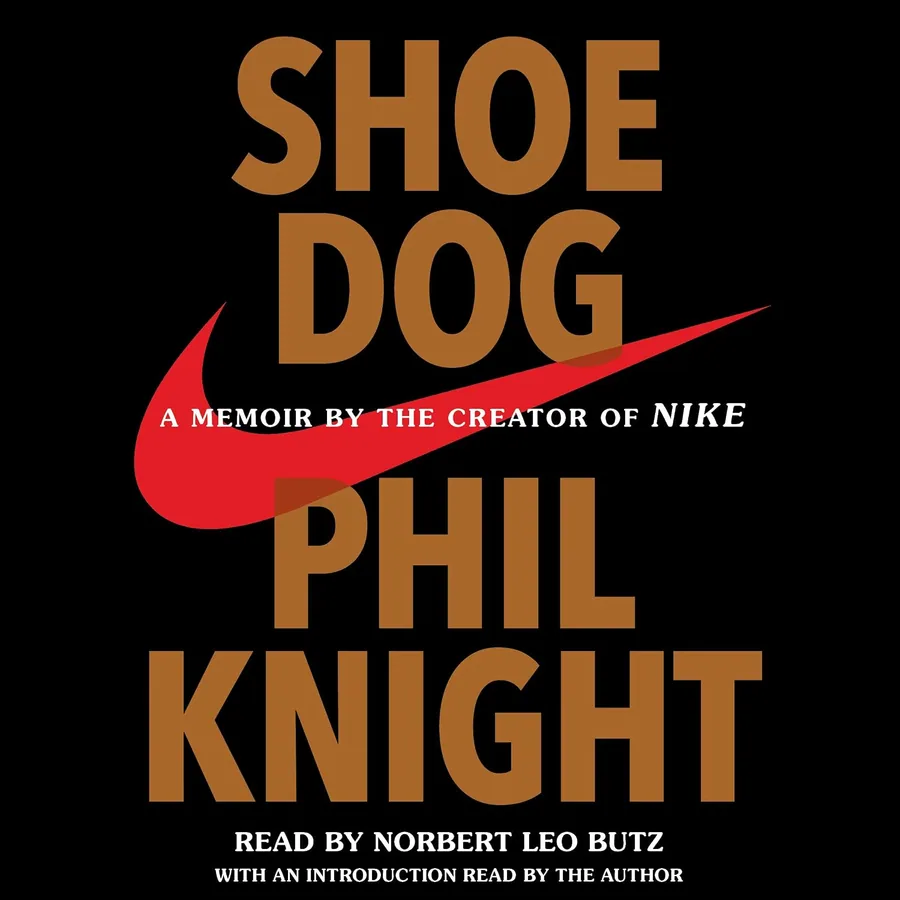
- Yes. Shoe Dog: A Memoir by the Creator of Nike has an Audible audiobook edition, narrated by Norbert Leo Butz.Listen free with Audible
We earn from qualifying Amazon purchases.
- How long is the Shoe Dog: A Memoir by the Creator of Nike audiobook?
- The Shoe Dog: A Memoir by the Creator of Nike audiobook runs 13 hr 21 min.
- Is Shoe Dog: A Memoir by the Creator of Nike on Kindle+?
- No. Shoe Dog: A Memoir by the Creator of Nike was not included with Kindle+ when we last checked on November 23, 2026.
Common questions
- What is Shoe Dog: A Memoir by the Creator of Nike about?
- Shoe Dog makes one argument, and Phil Knight makes it by example: a company can be built like a friendship, by people who can't separate the work from what they love, and the process is messier and more frightening than the legend lets on. Nike is his proof. The book is the story of how it got…
- Is Shoe Dog: A Memoir by the Creator of Nike worth reading?
- We scored Shoe Dog: A Memoir by the Creator of Nike 4.7 out of 5. Shoe Dog is Phil Knight's memoir of building Nike, from a trunk full of imported running shoes to one of the most recognized brands on earth. It's a business memoir with the pull of a sports story, honest about the mess behind the swoosh.
More like this
Related books

I'm Glad My Mom Died
Jennette McCurdy

Just Mercy
Bryan Stevenson

How to Rule the World: An Education in Power at Stanford University
Theo Baker

When Breath Becomes Air
Paul Kalanithi

Can't Hurt Me: Master Your Mind and Defy the Odds
David Goggins

You with the Sad Eyes
Christina Applegate

Disrupting the Game: From the Bronx to the Top of Nintendo
Reggie Fils-Aime

The Glass Castle
Jeannette Walls

Born a Crime
Trevor Noah

Friday Night Lights: A Town, a Team, and a Dream
H. G. Bissinger