Where to read or listen
- Is there an audiobook of Radical Acceptance?
- Yes. Radical Acceptance has an Audible audiobook edition, narrated by Cassandra Campbell.Listen free with Audible
We earn from qualifying Amazon purchases.
- How long is the Radical Acceptance audiobook?
- The Radical Acceptance audiobook runs 12 hr 15 min.
- Is Radical Acceptance on Kindle+?
- No. Radical Acceptance was not included with Kindle+ when we last checked on November 23, 2026.
Common questions
- What is Radical Acceptance about?
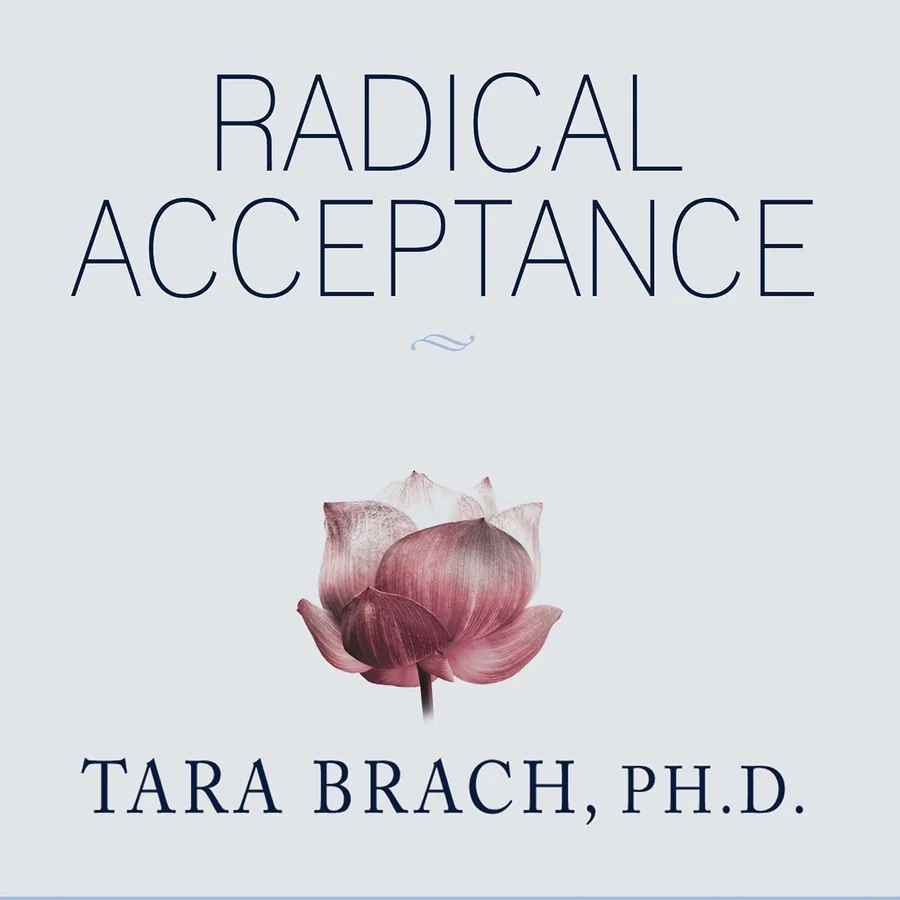
- Radical Acceptance is a gentle book that still wants you to do some work. Brach, a psychologist with decades of experience among therapy clients and Buddhist students, starts from a single diagnosis: the belief that something about us is wrong. She treats that belief as the thread running through…
- Is Radical Acceptance worth reading?
- We scored Radical Acceptance 4.4 out of 5. Tara Brach's Radical Acceptance is a mindfulness and Buddhist-informed self-help book about the belief that something is wrong with you, and what to do when that belief drives your self-judgment. It pairs stories with guided meditations, and it asks you to practice as well as…
More like this
Related books

Bittersweet: How Sorrow and Longing Make Us Whole
Susan Cain

The Subtle Art of Not Giving a F*ck: A Counterintuitive Approach to Living a Good Life
Mark Manson

Grit: The Power of Passion and Perseverance
Angela Duckworth

The Gardener and the Carpenter: What the New Science of Child Development Tells Us About the Relationship Between Parents and Children
Alison Gopnik

Man's Search for Meaning
Viktor E. Frankl

Meditations
Marcus Aurelius

The Power of Now: A Guide to Spiritual Enlightenment
Eckhart Tolle

The Untethered Soul: The Journey Beyond Yourself
Michael A. Singer

When Things Fall Apart: Heart Advice for Difficult Times
Pema Chodron

The Philosophical Baby: What Children's Minds Tell Us About Truth, Love, and the Meaning of Life
Alison Gopnik