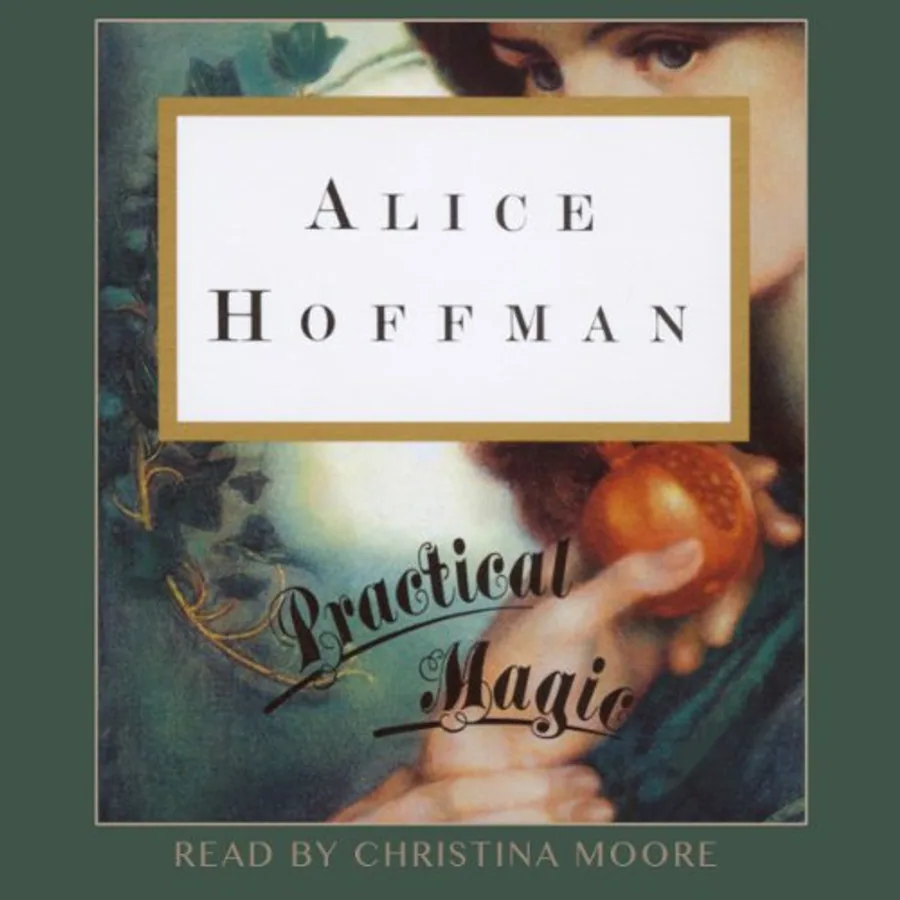
Where to read or listen
- Is there an audiobook of Practical Magic?
- Yes. Practical Magic has an Audible audiobook edition, narrated by Christina Moore.Listen free with Audible
We earn from qualifying Amazon purchases.
- How long is the Practical Magic audiobook?
- The Practical Magic audiobook runs 9 hr 12 min.
- Is Practical Magic on Kindle Unlimited?
- No. Practical Magic was not included with Kindle Unlimited when we last checked on August 27, 2026.
- What formats is Practical Magic available in?
- On Amazon, Practical Magic comes as a Kindle ebook, a paperback and a hardcover.
More by Alice HoffmanSee every Alice Hoffman book we've reviewed, with our scores.All Alice Hoffman books →
Common questions
- What is Practical Magic about?
- The Owens sisters figure out early that a rumor is a kind of weather, and the only thing to do is live inside it. Sally and Gillian grow up in a Massachusetts town that has spent two hundred years blaming their family for its bad luck, in a house that smells of lilac with something bitter…
- Is Practical Magic worth reading?
- We scored Practical Magic 4.3 out of 5. Alice Hoffman's Practical Magic follows the Owens sisters, Sally and Gillian, raised by two eccentric aunts in a Massachusetts town that has blamed their family for its bad luck for two hundred years. A magical realism novel about inheritance and sisterhood that runs darker and…
Advertisement
More like this
Related books

The Wedding People
Alison Espach

Love You More
Emily Giffin

Sharks in the Time of Saviors
Kawai Strong Washburn

The Push
Ashley Audrain

Life of Pi: A Man Booker Prize-Winning Work of Magical Realism
Yann Martel

Big Little Lies (Big Little series)
Liane Moriarty

The Midnight Library
Matt Haig

The Survivors Guild
Gabriella Saab

Legendborn
Tracy Deonn

The Ocean at the End of the Lane
Neil Gaiman