Where to read or listen
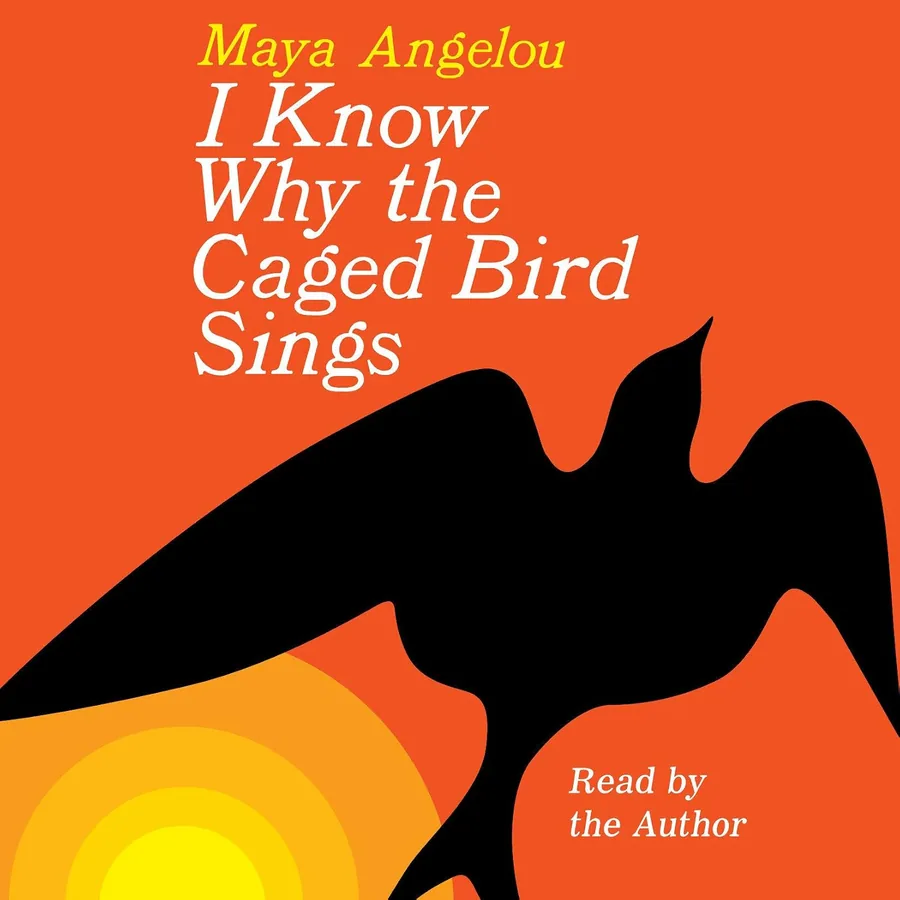
- Is there an audiobook of I Know Why the Caged Bird Sings?
- Yes. I Know Why the Caged Bird Sings has an Audible audiobook edition, narrated by Maya Angelou.Listen free with Audible
We earn from qualifying Amazon purchases.
- How long is the I Know Why the Caged Bird Sings audiobook?
- The I Know Why the Caged Bird Sings audiobook runs 10 hr 11 min.
Common questions
- What is I Know Why the Caged Bird Sings about?
- Maya is a small girl in Stamps, Arkansas, who wants her parents back and can't have them. Her mother has sent her and her brother Bailey to live with their devout, self-sufficient grandmother, called Momma, and the town offers contempt where it should offer comfort. The segregation is so complete…
- Is I Know Why the Caged Bird Sings worth reading?
- We scored I Know Why the Caged Bird Sings 4.7 out of 5. I Know Why the Caged Bird Sings is Maya Angelou's memoir of growing up Black in the segregated South and beyond, from a childhood in Stamps, Arkansas with her brother and grandmother to St. Louis and San Francisco. It is a book about harm, humor, and the books and words that…
More like this
Related books

I'm Glad My Mom Died
Jennette McCurdy

Just Mercy
Bryan Stevenson

How to Rule the World: An Education in Power at Stanford University
Theo Baker

The Pillars of the Earth
Ken Follett

When Breath Becomes Air
Paul Kalanithi

Can't Hurt Me: Master Your Mind and Defy the Odds
David Goggins

You with the Sad Eyes
Christina Applegate

Disrupting the Game: From the Bronx to the Top of Nintendo
Reggie Fils-Aime

The Glass Castle
Jeannette Walls

The Count of Monte Cristo
Alexandre Dumas