Our score:
4.0 / 5
As an Amazon Associate we earn from qualifying purchases.
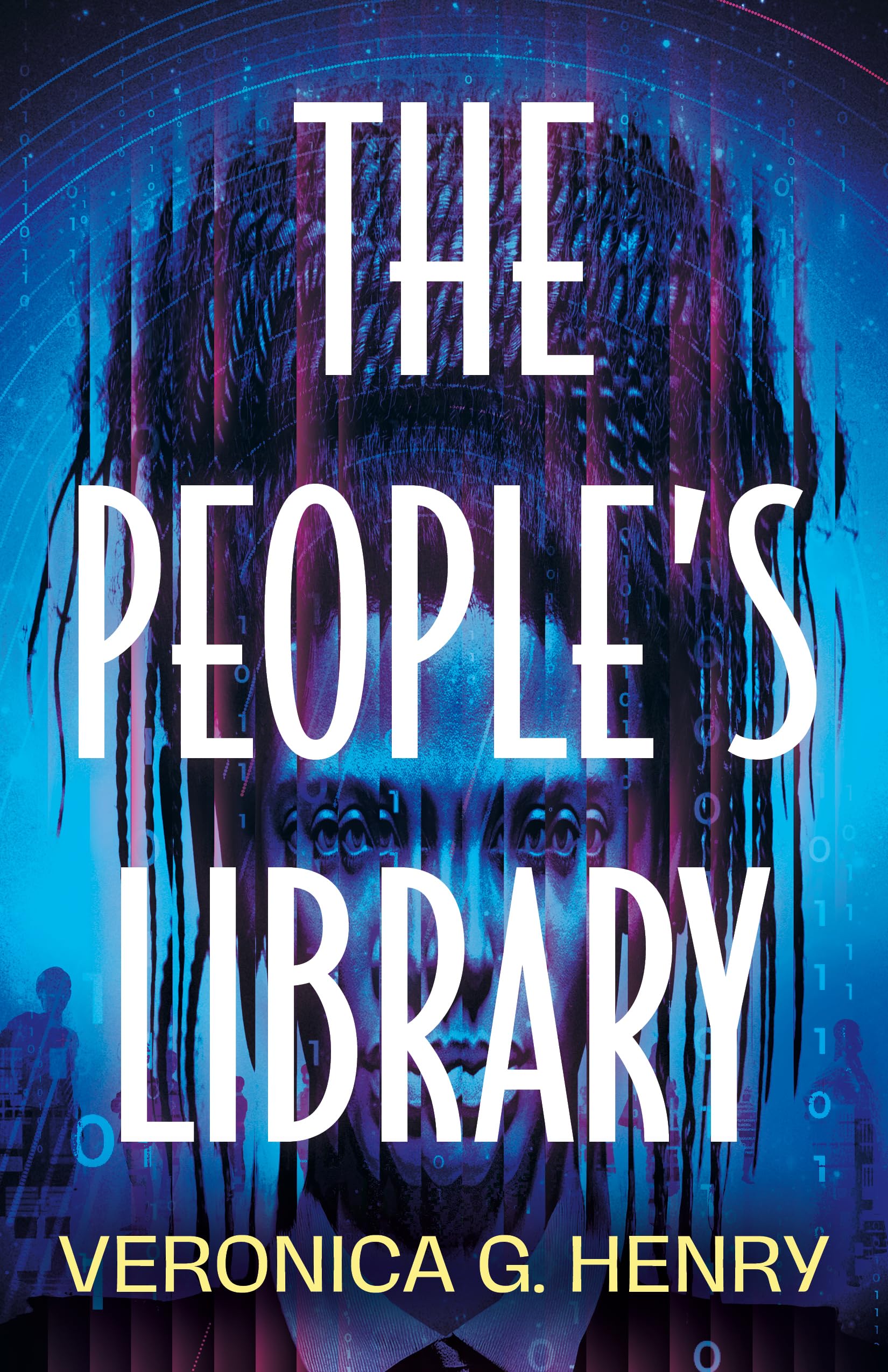
The People's Library
Veronica G. Henry
Our Review
I picked up this book expecting a straightforward sci-fi thriller, and while it delivers on the suspense, what really grabbed me was how thoughtfully it wrestles with the moral weight of its premise. The setup is genuinely unsettling: imagine a library where you can interact with digital recreations of humanity's greatest minds and historical figures. It's a fascinating concept that immediately raises questions about consent, identity, and what we owe to the dead. Henry doesn't shy away from these tensions. Her protagonist, Echo, is reluctant and conflicted in ways that feel earned rather than performative—she's thrust into a role she never wanted, forced to defend a system she's not entirely sure is ethical. That internal struggle becomes the emotional core of the story.
The pacing moves at a steady clip, especially once the anti-technology rebels make their move and things spiral into genuine danger. There's a real sense of stakes and urgency that keeps you turning pages. The world-building around near-future Cleveland feels lived-in and specific, not generic dystopia. Where the book truly shines is in its refusal to offer easy answers. The rebels aren't cartoonish villains, and the technology proponents aren't simply visionary heroes. It's messy and complicated, which is exactly what this kind of story needs.
Why you should read
- Explores thought-provoking questions about consent and digital resurrection without easy answers.
- Features a protagonist whose conflicted nature drives the narrative authentically forward.
- Balances page-turning suspense with deep ethical examination of its central premise.
- Offers a fresh take on sci-fi that prioritizes moral weight over spectacle.
- Delivers both intellectual engagement and emotional resonance throughout.
What to expect
- Thoughtful pacing that allows ethical dilemmas to breathe alongside plot momentum.
- A protagonist wrestling with uncomfortable choices rather than embracing her role readily.
- Tension arising from moral ambiguity rather than simple good-versus-evil conflict.
- Speculative worldbuilding grounded in real philosophical questions about identity and consent.
- A tone that respects reader intelligence and refuses convenient resolutions.
That said, if you're looking for breakneck action or a tightly plotted mystery with all loose ends tied up, you might find yourself wanting more resolution in places. Some threads feel deliberately left open, which works thematically but might frustrate readers seeking complete closure. The philosophical questions sometimes take precedence over plot momentum. But honestly, that's the book's strength if you're willing to sit with ambiguity. This is perfect for anyone who loves speculative fiction that makes you think about technology, power, and what it means to preserve a life versus truly honoring one. It's the kind of book that lingers after you finish.
In a nutshell
The People's Library presents itself as a sci-fi thriller but transcends that framework through its unflinching exploration of profound ethical questions. At its core lies a haunting premise: a library where visitors can engage with digital recreations of history's most influential figures. Rather than treating this concept as mere spectacle, Henry uses it as a lens to examine consent, identity, and our responsibilities to those no longer living. The protagonist Echo embodies the moral complexity at the story's heart—her reluctance and internal conflict feel authentic and earned, grounding what could have been a simple adventure in genuine philosophical tension.
Best for
Readers seeking science fiction that challenges them intellectually while maintaining narrative momentum. Ideal for those who appreciate stories that grapple with the consequences of technological advancement and what we owe to history.
Content notes
- Heavy philosophical themes that demand engaged reading.
- Explores morally complex situations without providing comfortable answers.
- Deals with questions of death, loss, and digital resurrection.
If you liked this, try
- Klara and the Sun — Kazuo Ishiguro
- The Ministry for the Future — Kim Stanley Robinson
- Piranesi — Susanna Clarke
- The Calculating Stars — Mary Robinette Kowal
Reviewed by Book of the Day Editorial Team • Updated 1/29/2026
Related books
More picks that share genres with this book.